Category: Uncategorized

  • Can You Use Solar Panels on Agricultural Land?

    Can You Use Solar Panels on Agricultural Land?

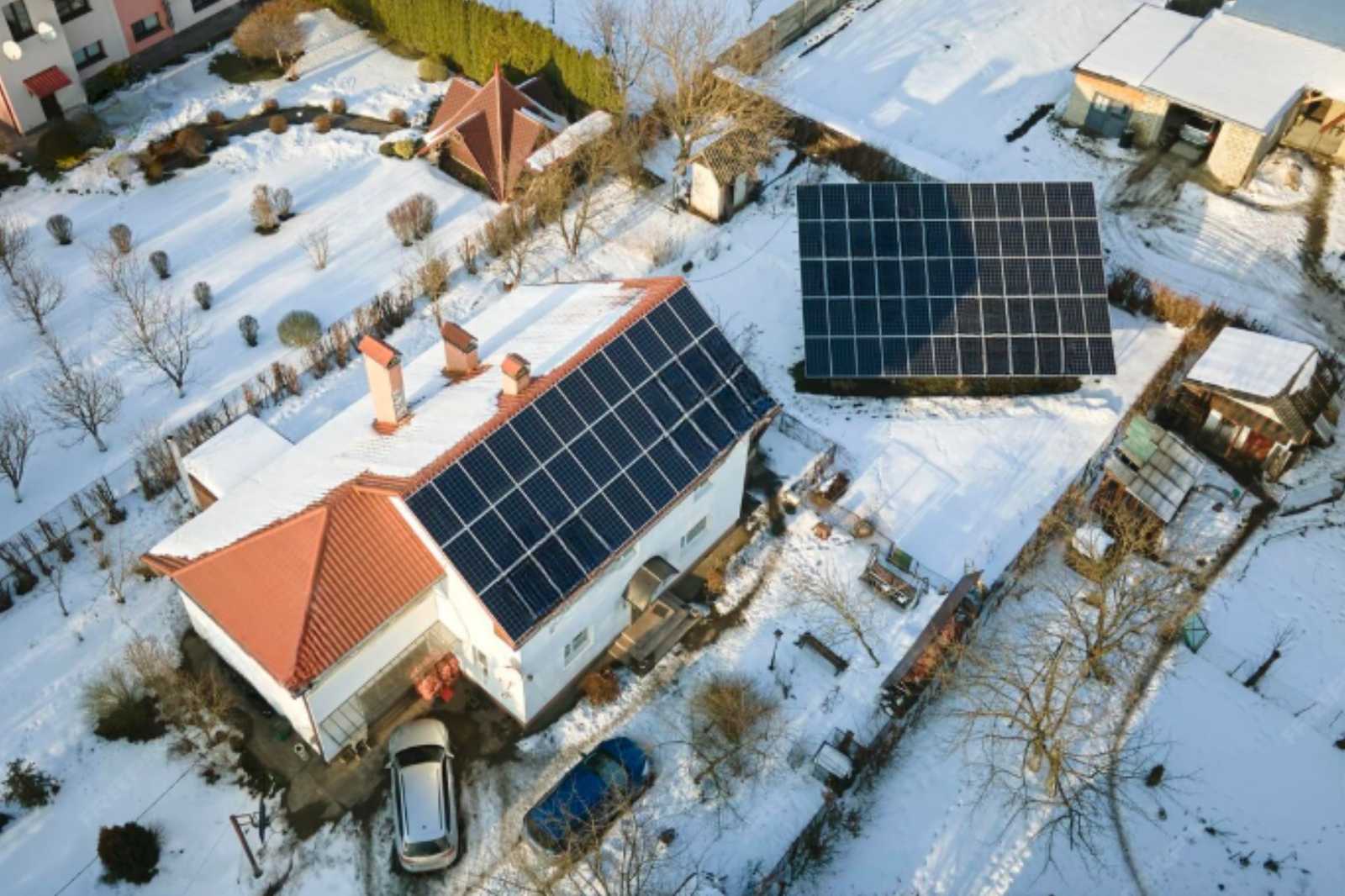
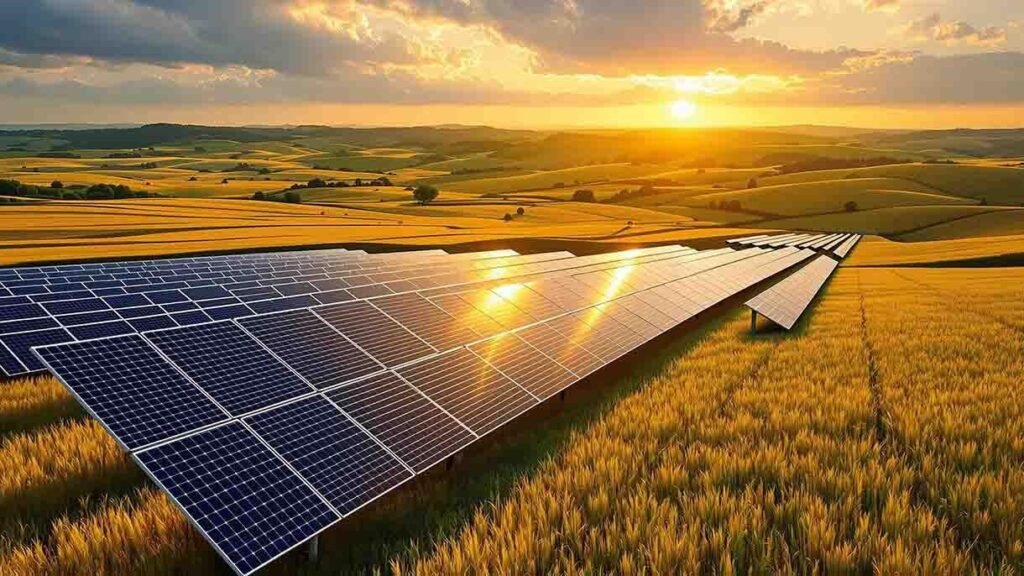
    As interest in renewable energy grows, many landowners are looking for smart ways to maximize the benefits of their properties. Often, they ask if solar panels and agriculture can coexist on the same land without adversely impacting either.

    Finding this balance isn’t just about equipment; it requires considering local regulations, carefully designing the system, and analysing long-term financial implications. Understanding how solar power can be part of a working farm is the best way to make a decision that will be beneficial for both the land and the bottom line.
    Is It Legal to Install Solar Panels on Agricultural Land in the UK?

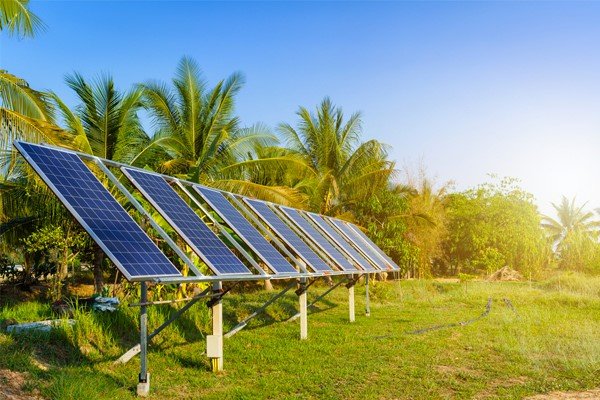
    In the UK, installing solar panels on agricultural land is entirely legal, though it involves navigating a specific set of planning rules and land classifications. Because the government aims to protect the country’s food security while promoting green energy, finding the right balance is a central part of the process.

    Here are the primary factors to keep in mind:

    • UK Planning Permission Requirements

    The​‍​‌‍​‍‌​‍​‌‍​‍‌ majority of large-scale solar panel installations on agricultural land require planning permission. The LPAs are the ones who look at the applications on the basis of the NPPF and local plans. According to the NPPF, development on the best agricultural land is generally deterrent unless it is absolutely ​‍​‌‍​‍‌​‍​‌‍​‍‌necessary.

    • Role of Local Planning Authorities (LPAs)

    Local​‍​‌‍​‍‌​‍​‌‍​‍‌ planning authorities (LPAs) review the solar project applications and take into consideration the land quality, the environment, and the distance to the grid. They also check that the developments are in line with the national and local planning policies before granting ​‍​‌‍​‍‌​‍​‌‍​‍‌consent.

    • Permitted Development vs Full Planning Consent

    Permitted Development: It is a well-known fact that the majority of single solar systems for residential and commercial properties are suitable to be “Permitted Development.” What this basically entails is that you have permission in principle to mount solar panels, most times on the roofs of existing structures, without having to submit a formal planning application. This way, the government has aimed to make it as easy as possible for people to switch to green ​‍​‌‍​‍‌​‍​‌‍​‍‌energy.

    Full Planning Consent: While smaller rooftop projects are streamlined, larger ground-mounted systems or solar farms usually require Full Planning Consent. This is almost always the case if the project:

    • Covers a large area (typically more than 9 square metres for standalone systems).
    • Involves Best and Most Versatile (high-quality) agricultural land.
    • Spans a significant size, such as projects exceeding 20 hectares.

    Importance of Land Classification (Grades 1–5)

    In​‍​‌‍​‍‌​‍​‌‍​‍‌ the UK, farmland is divided into six grades, of which Grades 1–3a are referred to as the Best and Most Versatile (BMV) land. Normally, solar farms are not allowed on BMV land, and the intention is to carry out development on the lower-grade (Grade 3b and below) land, which is less agriculturally ​‍​‌‍​‍‌​‍​‌‍​‍‌productive.

    • Grade 1–3a: Excellent quality, usually protected from solar development.
    • Grade 3b–5: Moderate to poor quality, typically allowed for solar projects.

    Benefits of Solar Panels on Agricultural Land

    Installing solar panels on agricultural land is a game-changer for UK farmers. It’s a move that pairs modern, sustainable energy with long-term financial stability and a healthier environment. Instead of just being an extra, solar is becoming a core part of how farms thrive in today’s economy.
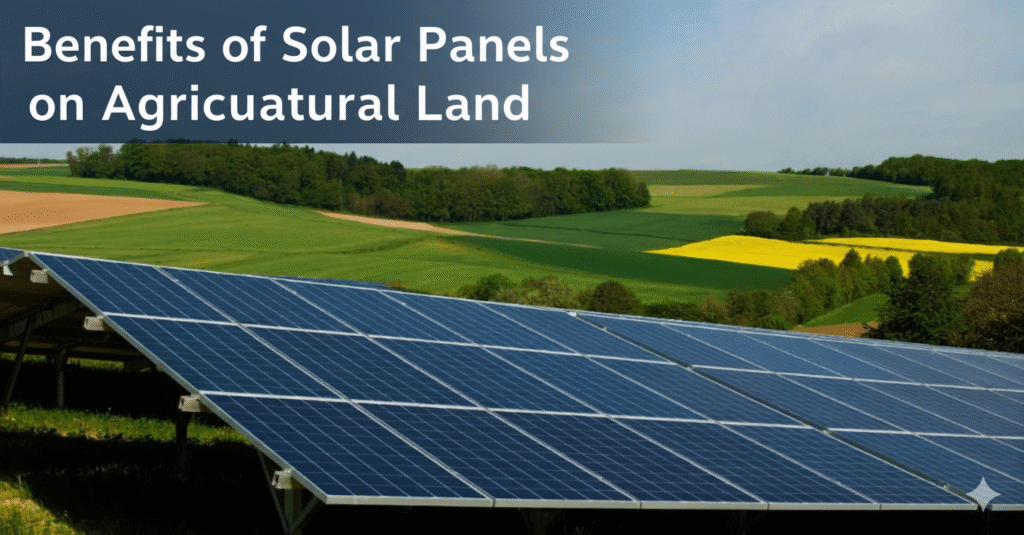
    Here is why this shift is gaining so much momentum:

    • Additional income streams for farmers: Solar​‍​‌‍​‍‌​‍​‌‍​‍‌ installations would be a good way to diversify farmers’ monotonous income by providing them with a new, pretty reliable source of revenue. An area can be given out on rent for solar schemes, or electricity can be produced for the grid export with the help of programs like the Smart Export Guarantee (SEG), thus, farm revenues can be stabilized against the impact of seasonal or market ​‍​‌‍​‍‌​‍​‌‍​‍‌fluctuations.
    • Reduced energy costs for agricultural operations: Agricultural​‍​‌‍​‍‌​‍​‌‍​‍‌ activities usually require a lot of power for the watering of crops, storage, machinery, and animal houses. When farmers install solar panels, they become self-sufficient in energy production, which means less dependence on the public supply and thus cuts down on energy costs for several years. Additionally, solar power acts as a shield against increasing electricity ​‍​‌‍​‍‌​‍​‌‍​‍‌tariffs.
    • Contribution to the UK’s net-zero and renewable energy goals: Solar​‍​‌‍​‍‌​‍​‌‍​‍‌ panels on agricultural land create clean and renewable power, thus aiding the UK in its net-zero carbon emission goals. Apart from that, they lower the carbon footprints, employ the land in a sustainable manner, and at the same time, are an active element in the renewable energy mix of the ​‍​‌‍​‍‌​‍​‌‍​‍‌country.

    Planning Challenges and Common Restrictions

    Even​‍​‌‍​‍‌​‍​‌‍​‍‌ though there are a lot of advantages to the agricultural land solar panels, the UK landowners need to be very cautious and thoughtful of the planning issues and the regulatory limitations before making any ​‍​‌‍​‍‌​‍​‌‍​‍‌decision.

    • Visual impact and landscape concerns: Local​‍​‌‍​‍‌​‍​‌‍​‍‌ planning authorities carefully evaluate the impact of solar projects on the local landscape. A large or badly placed system can be considered a visual nuisance, especially in the countryside or areas with beautiful views. Hence, the developers have to consider the gentlest layouts, utilize screening, and take planting measures to reduce the visual impact to the barest ​‍​‌‍​‍‌​‍​‌‍​‍‌minimum.
    • Protected Areas and Land Designations: In the UK, certain lands are under very strict control to ensure they stay beautiful for future generations. Solar developments face much higher hurdles in protected locations such as the Green Belt, National Parks, or National Landscapes (formerly known as Areas of Outstanding Natural Beauty). In these spots, the default position of the law is to prioritize landscape preservation and environmental protection over new development. Obtaining permission here is significantly more difficult and requires proving very special circumstances. This usually involves demonstrating that the environmental benefits of the clean energy produced are so high that they outweigh the minor harm to the landscape, or showing that no other suitable sites exist outside the protected zone.
    • Community Engagement and Listening: Community​‍​‌‍​‍‌​‍​‌‍​‍‌ input is crucial to the planning process. Residents can express their concerns regarding the look, the use of land, or the potential environmental negative effects. Getting involved from the start, communicating clearly, and being honest with the project will not only solve the problems but also help gain ​‍​‌‍​‍‌​‍​‌‍​‍‌approval.

    How STATS Solutions Can Help

    STATS​‍​‌‍​‍‌​‍​‌‍​‍‌ Solutions supports landowners and farmers through all phases of their agricultural solar development by mixing their expertise with practical help to implement dependable, legally compliant, and efficient solar ​‍​‌‍​‍‌​‍​‌‍​‍‌projects.

    • Expert consultation for agricultural solar projects: STATS​‍​‌‍​‍‌​‍​‌‍​‍‌ Solutions supports landowners and farmers through all phases of their agricultural solar development by mixing their expertise with practical help to implement dependable, legally compliant, and efficient solar ​‍​‌‍​‍‌​‍​‌‍​‍‌projects.
    • Planning guidance and system design: It​‍​‌‍​‍‌​‍​‌‍​‍‌ can be complicated to deal with UK planning requirements. STATS Solutions offers straightforward planning advice, assisting clients in satisfying the demands of the local authorities, considering the landscape, and abiding by environmental regulations. Tailor-made system layouts are created to increase energy production while being compliant with the land and regulatory ​‍​‌‍​‍‌​‍​‌‍​‍‌conditions.
    • Installation, battery storage, and energy efficiency support: STATS​‍​‌‍​‍‌​‍​‌‍​‍‌ Solutions is your one-stop shop for a wide range of services, from the professional installation of solar panels to the provision of state-of-the-art battery storage systems. Moreover, the team extends its energy efficiency expertise to farmers, thereby facilitating a reduction in their energy consumption, enhancement of their operational performance, and maximising the longevity value of their renewable energy ​‍​‌‍​‍‌​‍​‌‍​‍‌investment.

    Conclusion

    Solar​‍​‌‍​‍‌​‍​‌‍​‍‌ panels on agricultural land could indeed be a great and green solution if they are well thought out and controlled. If done right, solar projects can be compatible with agricultural endeavours, offer additional revenue, lower energy bills, and help the UK achieve its renewables and net-zero targets. On the other hand, it is crucial to know the planning laws, land classifications, and the local community before making a decision. With professional advice and picking cleverly designed systems, farmers can tap into the agricultural solar power potential completely, whilst still keeping their land valuable and productive ​‍​‌‍​‍‌​‍​‌‍​‍‌long-term.

  • Do solar panels work in winter? Complete guide

    Do solar panels work in winter? Complete guide

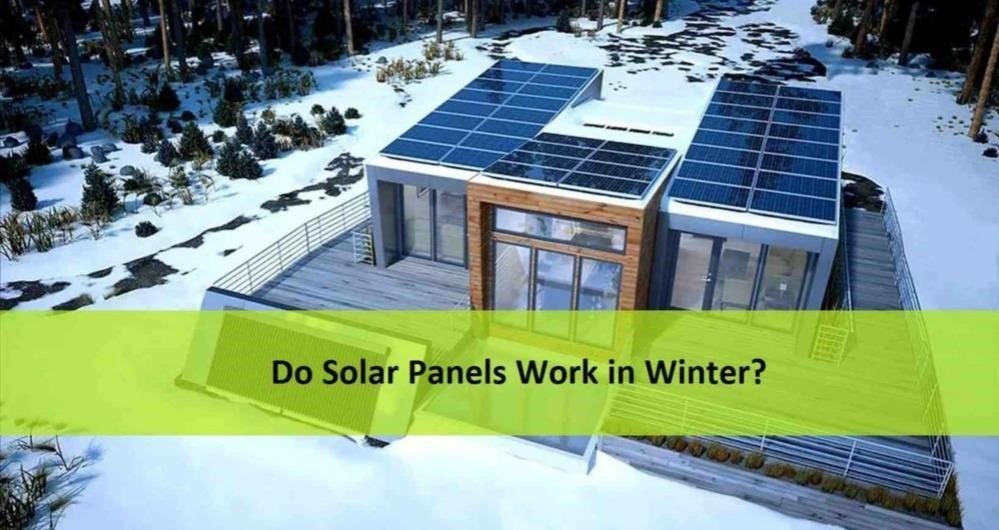
    The roof is covered in fresh snow, and the sun barely shines through the pale sky. This is a common sight during the cold season and often prompts questions from solar panel users or those considering solar panels: Do solar panels work in the winter?

    In​‍​‌‍​‍‌​‍​‌‍​‍‌ brief, the answer is definitely yes. However, the story is even brighter. The season may have its own set of problems, such as less daylight and the snow covering the panels, but it also hides an unexpected fact: solar panels frequently work more efficiently in cold, clear ​‍​‌‍​‍‌​‍​‌‍​‍‌weather.

    This​‍​‌‍​‍‌​‍​‌‍​‍‌ ultimate guide takes the myths about frosty myths and brings the real facts to you. We explain the efficient science of cold weather, the real effect of the snow, and give you handy tips to keep your system energy production high all year round. Find out why winter could be the solar panels’ least expected but most faithful ​‍​‌‍​‍‌​‍​‌‍​‍‌friend.

    Do Solar Panels Work in Winter?

    Solar​‍​‌‍​‍‌​‍​‌‍​‍‌ panels are still functional during winter, and this is true even if the temperature is very low and the days are short. The one thing the system needs is light, not heat. This means that the panels absorb sunlight in winter and work best in lower temperatures.

    Most​‍​‌‍​‍‌​‍​‌‍​‍‌ solar panels in the UK still produce a steady amount of energy in the cold season, usually at about 20–35% of the yearly output during the months of low light. For example, a local UK study of a standard 4kW system shows it produced close to 25kWh per day in May/July and only about 4.9kWh per day in December; that is approximately a 3:1 ratio of summer to winter. Over the entire year, the reduction in winter production is offset by significantly higher output in the summer, thus annual savings stay at a considerable level despite the seasonal ​‍​‌‍​‍‌​‍​‌‍​‍‌changes.

    Example: Seasonal output split

    A typical pattern for a well-sited UK solar system looks like this:

    Season / PeriodShare of Annual OutputTypical Notes
    Late Spring–Summer (Apr–Sep)~65–75%Peak generation occurs due to long days, higher sun angle, and clearer skies.
    Autumn Shoulder Months (Mar, Oct)~10–15%Efficiency is around 55–70% of the peak summer months. Cooler temperatures often aid panel efficiency.
    Core Winter (Nov–Feb)~20–25%Output is 25–50% less than summer due to shorter daylight hours and more cloud cover, but panels still contribute useful generation.

    How Winter Weather Affects Solar Panel Efficiency

    Winter​‍​‌‍​‍‌​‍​‌‍​‍‌ weather may affect the performance of your solar panels, but it is not a reason for them to stop producing electricity. Knowing these changes will allow you to plan the actual energy production that you can expect during the cold ​‍​‌‍​‍‌​‍​‌‍​‍‌period.

    • Reduced Daylight Hours: Because​‍​‌‍​‍‌​‍​‌‍​‍‌ of shorter days in the winter, energy production will generally be less. It is daylight that can drop to around 7–8 hours in December in the UK, as compared to 16–17 hours in June, thus reducing the total time during which power can be generated from panels. Panels are still working in all daylight hours, but the shorter window limits the total output.
    • Cloud Cover and Diffuse Light: Winter is typically cloudy, but solar panels can still generate energy from indirect or diffused sunlight. On very overcast days, panels’ operating capacity generally falls between 10 and 30% of their peak capacity, depending on the cloud density. Even though this decrease is significant, it’s still enough to contribute significantly to a home’s energy use.
    • Cold Temperatures Can Improve Efficiency: In​‍​‌‍​‍‌​‍​‌‍​‍‌ fact, solar PV systems are more efficient in cold weather. A solar cell works best at low temperatures because heat reduces the voltage and efficiency. Each solar panel is equipped with a “temperature coefficient”, which means that its output decreases slightly for every degree above 25°C. So, in clear winter weather, panels can be more efficient in terms of the unit of light received.
    • Snowfall and Ice: A little snow often melts quickly due to the tilt of the panel and the sun’s residual heat. However, heavy snow can block some or all of the light, reducing production until the snow melts. In fact, new snow on the ground can increase system production due to the albedo effect. The albedo effect is the reflection of sunlight off the snow, allowing more light to reach the panel.

    Tips to Maximise Solar Output in Winter

    You​‍​‌‍​‍‌​‍​‌‍​‍‌ can definitely make the most out of your solar panels in the cold season with a proper strategy. With just a few clever adjustments, you will be able to keep the energy efficiency at a high level throughout the winter ​‍​‌‍​‍‌​‍​‌‍​‍‌period.

    • Regular Cleaning and Snow Removal: Panels​‍​‌‍​‍‌​‍​‌‍​‍‌ need to be kept free of any obstruction. A light layer of snow is usually removed by the wind without the necessity of any intervention, especially if the roofs are angled, but a heavy layer of snow may block the sunlight completely. A soft brush or an extendable snow rake should be used to remove the buildup safely, but never use metal tools, as they can damage the panels. In case the snow is thin or the temperatures are getting higher, it is generally better to let it melt on its own as the panels heat up slightly when they are in ​‍​‌‍​‍‌​‍​‌‍​‍‌operation.
    • Optimal Panel Angle and Placement: By​‍​‌‍​‍‌​‍​‌‍​‍‌ having the panels angled to a greater extent, the solar energy can take more advantage of the usually weaker sunlight in winter, and the snow is also more likely to slide off the panels without any problems. Hence, a little tilted solar panel can still produce more electricity in the cold season. Consequently, solar panels on roofs facing the south are still the best, as they get the most intense and most prolonged sunlight during the ​‍​‌‍​‍‌​‍​‌‍​‍‌day.
    • Pairing Solar with a Battery: Adding​‍​‌‍​‍‌​‍​‌‍​‍‌ a home battery system is a great way to store excess energy that is generated during the day and use it during the dark winter evenings. In this way, the dependency on the grid is minimized, and the winter self-consumption rate is raised. A battery can still be handy in the case of low winter generation, as it guarantees that your installation will operate efficiently during the hours of peak consumption in the ​‍​‌‍​‍‌​‍​‌‍​‍‌household.

    Beat Rising Winter Bills with Reliable Solar Energy

    In​‍​‌‍​‍‌​‍​‌‍​‍‌ case you are worried about increasing energy bills during the winter, you can considerably reduce the household costs by switching to solar energy combined with STATS Energy Solution. Thus, with top-tier solar panels and modern battery storage systems, both homes and businesses in the UK are capable of producing clean power onsite, which leads to a substantial reduction in electricity bills and less dependence on the grid. It is a beneficial situation during the winter days when consumption is at its peak.

    Besides, STATS Energy Solution provides you with the safest and most cost-effective EV charger installation services that complement solar systems that generate clean energy for use at home or in the car, helping reduce your total energy costs and achieve a greener, more independent lifestyle. STATS Energy is there for you with professional design, installation, and support for solar, storage, and EV charging to help you stay ahead of the heating bills this winter while helping to conserve the environment for the ​‍​‌‍​‍‌​‍​‌‍​‍‌future.

    Conclusion

    Solar​‍​‌‍​‍‌​‍​‌‍​‍‌ panels are still functional during the winter season, even though the days are shorter and the temperatures are lower. The production of energy may be lowered due to less sunlight and cloud cover; however, contemporary photovoltaic (PV) systems are still efficient and dependable throughout the whole season. A proper installation, good upkeep, and maybe a battery device will allow the users to keep solar energy production at any time of the year. The cold season is not a barrier to solar energy; it only shows how important it is to have a well-designed, high-quality ​‍​‌‍​‍‌​‍​‌‍​‍‌system.

  • What are the advantages and disadvantages of solar energy?

    What are the advantages and disadvantages of solar energy?

    Every hour, the sun provides Earth with a tremendous amount of energy, more than humans use in an entire year. The global transition to clean energy depends largely on harnessing just a small portion of this power. Solar panels, the technology of the future, are now readily visible on rooftops and open lands, heralding a sustainable future.

    But is solar power the right answer? Like any other major technology, it has its drawbacks. It’s about being green, practicality, economics, and long-term impact.

    In this article, we decide to take a step further from the promotion and examine the real pros and cons of solar energy in a balanced manner. If you are a homeowner considering solar panel installation, an environmental activist, or simply someone with a future-minded perspective, knowing both sides is important.

    Advantages of Solar Energy in the UK

    • Lower Electricity Bills & Savings: One​‍​‌‍​‍‌​‍​‌‍​‍‌ of the most effective ways to lower your energy costs is through the installation of solar panels that generate electricity right at your home. As energy prices are increasing day by day in the UK, the use of solar could save household bills by a few hundred pounds or more than £1,000 a year, depending on system size and use. Moreover, most of the systems are compatible with the Smart Export Guarantee (SEG), creating a source of income when excess energy is sent back to the ​‍​‌‍​‍‌​‍​‌‍​‍‌grid.
    • Environmentally Friendly & Low Carbon: Solar​‍​‌‍​‍‌​‍​‌‍​‍‌ energy is a clean source that does not release any carbon emissions directly during the process of electricity generation. Therefore, it contributes to reducing the total carbon footprint of your home. A standard domestic solar panel setup in the UK can counterbalance about 1.3–1.6 tonnes of CO₂ each year, which is a very significant step in the direction of the UK’s net-zero ​‍​‌‍​‍‌​‍​‌‍​‍‌targets.
    • Increased Property Value: It​‍​‌‍​‍‌​‍​‌‍​‍‌ is estimated that houses equipped with solar panels can be sold at a higher price by as much as 14% in comparison to similar houses without clean energy systems. The studies show that the need for such properties by buyers keeps ​‍​‌‍​‍‌​‍​‌‍​‍‌rising.
    • Minimal Ongoing Maintenance: Solar​‍​‌‍​‍‌​‍​‌‍​‍‌ energy systems are pretty much trouble-free and simple to maintain. The installation should be kept clean and dry, but rainwater usually takes care of all the dust and other particles for you. The​‍​‌‍​‍‌​‍​‌‍​‍‌ majority of top-tier solar panel makers offer guarantees that extend up to 25-30 years, which is a significant relief to the customer over a long period of time. If you have a problem, it is safe to assume it is covered; you only need to check the warranty conditions with your dealer beforehand to be sure.
    • Government Support: By​‍​‌‍​‍‌​‍​‌‍​‍‌ 2030, the Clean Power Action Plan of the UK government aims to have a solar power capacity of 45-47GW, and as a result of this target, the UK has raised the renewable energy budgets to £1.5 billion, which is a great help to the widespread implementation of renewable ​‍​‌‍​‍‌​‍​‌‍​‍‌energy.

    Disadvantages of Solar Energy in the UK

    • Significant Upfront Investment: Generally,​‍​‌‍​‍‌​‍​‌‍​‍‌ a 4kW solar power system is around £6,000 to £8,000, including the installation. Even if such a system can be completely self-sufficient in 7-10 years, the initial cost can be difficult to manage, especially considering that some programs, such as the Boiler Upgrade Scheme, do not provide support for solar ​‍​‌‍​‍‌​‍​‌‍​‍‌PV.
    • Impact of UK Weather Conditions: Energy​‍​‌‍​‍‌​‍​‌‍​‍‌ generation is affected by the changing weather. A 4kW system can generate roughly 3,400kWh a year in a sunny area like Cornwall, but in Scotland, the production would be only about 2,800kWh. Panels are capable of working in diffuse light; however, the yield is lower on cloudy days, as it is ​‍​‌‍​‍‌​‍​‌‍​‍‌normal.
    • Roof Space and Orientation Limits: A​‍​‌‍​‍‌​‍​‌‍​‍‌ standard 4kW system installation will require approximately 28 square metres of a roof that is free of shade and facing the south. A home that has a small roof or is shaded by a chimney or a skylight might have to install a ground-mounted system. Such a system can increase total costs by more than £1,000.
    • Additional Cost of Battery Storage: During​‍​‌‍​‍‌​‍​‌‍​‍‌ the day, when the sun is shining, solar panels are able to generate most of the electricity that is needed, but this is not the case during the peak hours in the evening. In case you wish to have more self-sufficiency, a battery like the Tesla Powerwall is priced between £5,000 and £10,000, which is most of the time, double the total system ​‍​‌‍​‍‌​‍​‌‍​‍‌investment.

    Solar Energy in the UK: Advantages vs. Disadvantages

    Advantage (UK Context)DetailsDisadvantage (UK Context)Details
    Lower Electricity Bills & SavingsSolar panels can reduce annual energy bills by several hundred pounds to over £1,000, depending on usage habits. Homeowners also earn revenue through the Smart Export Guarantee (SEG) by exporting surplus power to the grid.Significant Upfront InvestmentThe cost for a typical 4kW solar system ranges from £6,000 to £8,000. The estimated payback period is typically 7–10 years, and current schemes like the Boiler Upgrade Scheme do not cover solar PV.
    Environmentally Friendly & Low CarbonSolar power produces zero direct emissions. A standard UK system effectively offsets between 1.3 and 1.6 tonnes of CO₂ annually, significantly supporting national net-zero goals.Impact of UK Weather ConditionsEnergy output naturally varies across the country; output is around 3,400kWh/year in sunnier regions like Cornwall but only about 2,800kWh/year in Scotland. Cloudy or rainy days also reduce overall efficiency.
    Increased Property ValueAs demand for energy-efficient homes grows, properties featuring solar panels can potentially sell for up to 14% more than comparable homes without them.Roof Space & Orientation LimitsA typical 4kW system requires approximately 28m² of suitable, ideally south-facing, roof space. Shaded or small roofs may necessitate costlier ground-mounted systems (starting at £1,000+).
    Minimal Ongoing MaintenancePanels typically require only occasional cleaning, as rain often suffices. Manufacturers offer robust 25–30-year warranties, covering most potential long-term issues.Additional Battery Storage CostsTo maximize solar power usage at night or on cloudy days, battery storage (e.g., Tesla Powerwall) is necessary. These units can cost £5,000–£10,000, often doubling the initial total investment.
    Government SupportThe UK has ambitious energy targets, aiming for 45–47GW of solar capacity by 2030. A large, £1.5 billion renewable energy budget supports the technology’s wider adoption.

    Choose Solar Energy Today for a Brighter, Sustainable Future

    Without​‍​‌‍​‍‌​‍​‌‍​‍‌ a doubt, solar energy comes with advantages and disadvantages. Knowing these will allow you to figure out whether your property is suitable for solar energy or not.

    However, getting reliable installers at the most affordable price is not that easy. Instead of reaching out to companies one by one, STATS Energy Solution makes it easier for you to get in touch with competitive solar quotes free of ​‍​‌‍​‍‌​‍​‌‍​‍‌charge.

    Conclusion

    Knowing​‍​‌‍​‍‌​‍​‌‍​‍‌ the pros and cons of solar energy is a must if you are thinking of using it in your home. Solar energy, on the one hand, provides you with considerable savings over time, is eco-friendly, and requires little maintenance. Additionally, it is sometimes expensive and limited by the weather and the available space. Double-checking these aspects will help you decide whether to proceed with solar energy. In addition to that, STATS Energy Solution is there to help you from the beginning to the end if you require a professional clean energy transition that is cost-effective and ​‍​‌‍​‍‌​‍​‌‍​‍‌future-ready.

  • Top Solar Energy System Monitor Apps

    Top Solar Energy System Monitor Apps

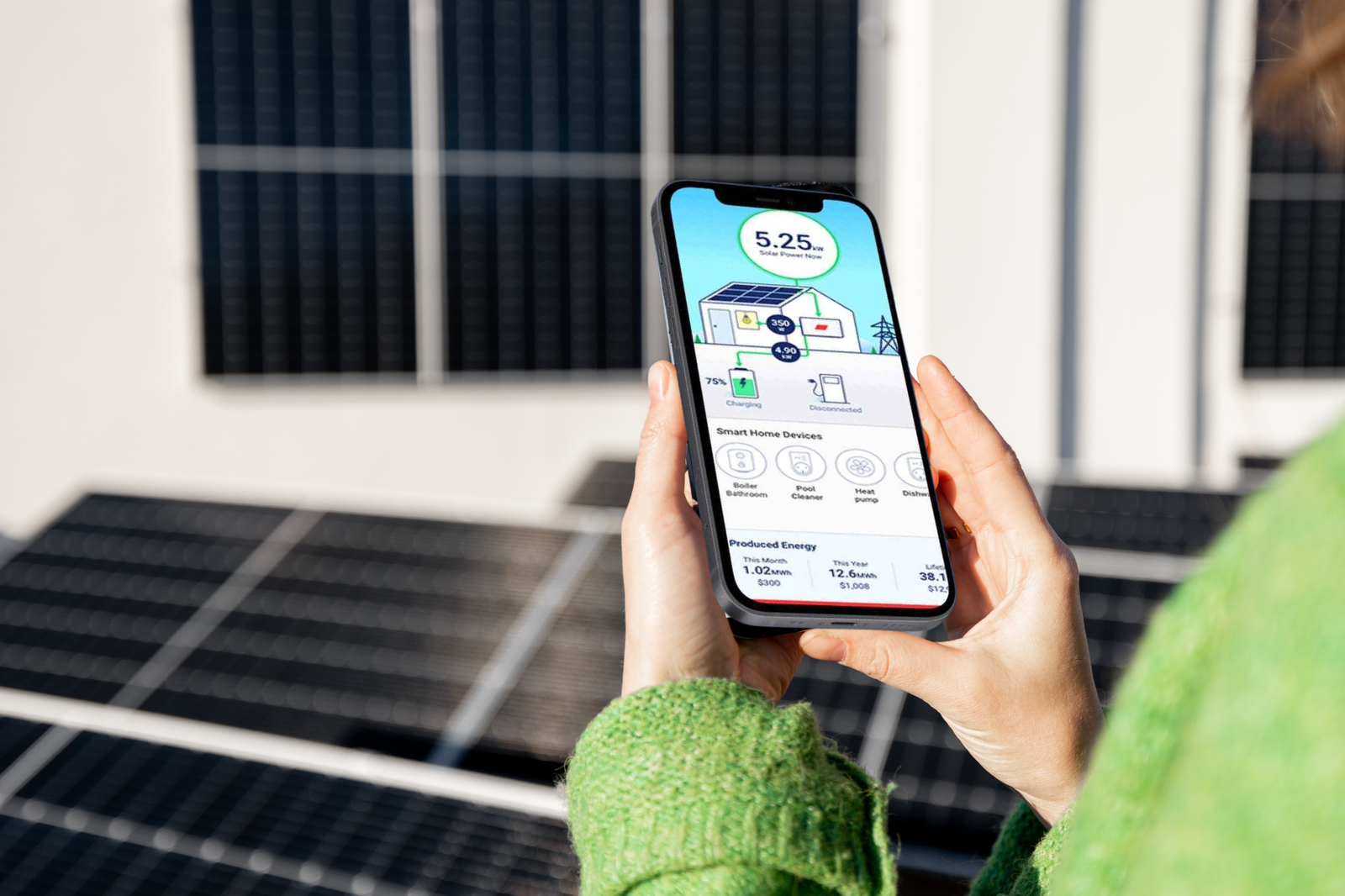
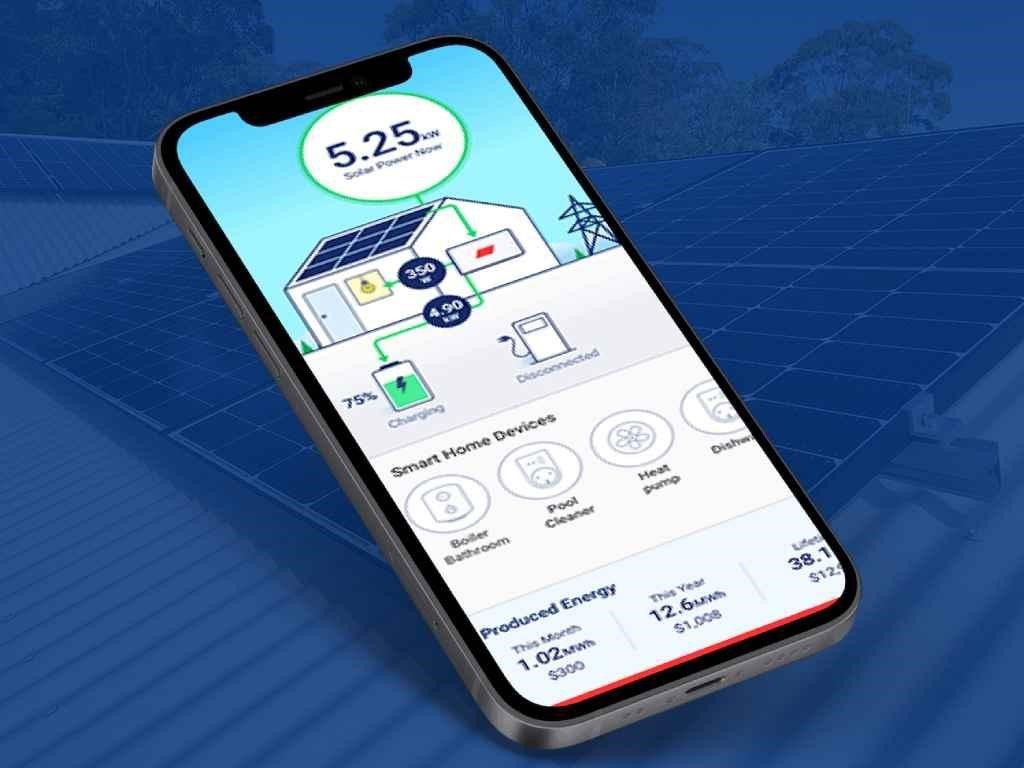
    With​‍​‌‍​‍‌​‍​‌‍​‍‌ the expansion of residential solar adoption throughout the world, most homeowners are finding the question: what are the more innovative ways to maximise every ray of sunshine? Can solar monitoring apps be considered a solution in this context? That’s why solar monitoring apps are the solution. These are advanced tools that allow for continuous monitoring of home energy production, consumption, and the amount of energy returned to the grid under the Smart Export Guarantee (SEG). Using the right app, it’s virtually impossible to mismanage your solar system. It becomes a simple, effective, and highly satisfying task. Here are some of the best solar energy system monitoring apps that help UK families save money and be energy-conscious.

    What Homeowners Should Look for in a Solar Monitoring App

    • Visualization​‍​‌‍​‍‌​‍​‌‍​‍‌ of​‍​‌‍​‍‌​‍​‌‍​‍‌ real-time energy production and consumption to understand the effectiveness of your system and maximum savings.
    • Integration with popular UK inverter brands such as SolarEdge, Enphase, and Growatt for a smooth connection.
    • Allowing battery storage systems like Tesla Powerwall, GivEnergy, and Huawei to monitor and optimize the energy stored.
    • SEG (Smart Export Guarantee) export monitoring to track and claim payments for surplus energy exported to the grid.
    • Integration of UK-specific weather forecasting helps to predict solar output and plan energy usage.
    • Being compatible with smart home and EV chargers to have the ability to efficiently manage the energy consumption of all your devices and electric vehicles.
    • By choosing an app that provides these features, you can make a more innovative and sustainable home.

    Top Solar Energy System Monitor Apps

    1. SolarEdge Monitoring

    With​‍​‌‍​‍‌​‍​‌‍​‍‌ SolarEdge Monitoring, users can see instant performance of solar panels and inverters, energy production, and consumption. Because of its comprehensive analytics, system notifications, and remote troubleshooting features, it is among the top Solar Energy System Monitor Apps in the UK. The app also provides reliable data, a user-friendly layout, and quick notifications.

    2. Enphase Enlighten

    The​‍​‌‍​‍‌​‍​‌‍​‍‌ Enphase Enlighten provides detailed monitoring for Enphase microinverters. It tracks energy production, battery storage, and consumption through detailed reports and analytics. Mostly Enphase system users love this app for its robust data, simple navigation, and energy optimization tools. With this app, users can keep an eye on energy flows, battery condition, and system health. They provide data within minutes and implement suggestions to increase solar efficiency.

    3. Solar Analytics

    Solar​‍​‌‍​‍‌​‍​‌‍​‍‌ Analytics provides detailed solar monitoring with comprehensive insights into energy production, carbon savings, financial benefits, and energy forecasting. In the UK, the product is gaining popularity among both homeowners and businesses. One of the main reasons for its popularity is its detailed report and the energy-saving advice. The app monitors solar input, consumption, battery storage, and energy export, and delivers in-the-moment alerts that allow users to keep their systems performing at peak levels and maximize their ​‍​‌‍​‍‌​‍​‌‍​‍‌savings.

    4. GivEnergy App

    The​‍​‌‍​‍‌​‍​‌‍​‍‌ GivEnergy Application is an effective, approachable system aimed at assisting UK homeowners in completely managing their solar and battery storage systems. The application with real-time monitoring, comprehensive energy insights, and intelligent automation features allows one to keep solar production, home consumption, and grid interactions under review easily. In case you are using the Smart Export Guarantee (SEG) to make money or just to save energy more efficiently, the GivEnergy Application is the one that keeps your device running at the highest ​‍​‌‍​‍‌​‍​‌‍​‍‌level.

    Comparison Table: Best UK Solar Monitoring Apps Compatible inverter brands

    App NameCompatible Inverter BrandsCost StructureBattery Integration SupportSEG Export MonitoringSmart Home/EV IntegrationEase of Use
    SolarEdge MonitoringSolarEdgeFree (Included with Inverter)Yes (SolarEdge, Tesla, etc.)YesYesVery Easy
    Enphase EnlightenEnphaseFree (Included with Inverter)Yes (Enphase, Tesla, etc.)YesYesEasy
    Solar AnalyticsSolarEdge, Enphase, Growatt, Huawei, etc.Free/Paid SubscriptionYes (Tesla, GivEnergy, Huawei, etc.)YesYesEasy
    GivEnergy AppGivEnergyFree (Included with Inverter)Yes (GivEnergy)YesYesVery Easy

    Benefits of Using a Solar Monitoring App

    • Real-Time Solar System Monitoring: A​‍​‌‍​‍‌​‍​‌‍​‍‌ solar monitoring app delivers total clarity to homeowners about the performance of their solar power system at any time. The app is a real-time tool that shows energy generation, household consumption, and overall system efficiency. These insights give users the power in their hands. Such a degree of control over monitoring effortlessly enables the identification of production drops or equipment failure signs.
    • Smarter Energy Usage Insights: A​‍​‌‍​‍‌​‍​‌‍​‍‌ solar monitoring application makes it easy for homeowners to know how energy flows in and out of their home by comparing the estimated production with the real output. Due to PG&E data integration and Time-of-Use information, customers are able to follow their consumption patterns, identify peak hours, and change their behavior to get the most money off their bill, i.e., savings, even if they are not connected to ​‍​‌‍​‍‌​‍​‌‍​‍‌PG&E (Pacific Gas and Electric Company).
    • Instant System Health Alerts: Reliable solar​‍​‌‍​‍‌​‍​‌‍​‍‌ monitoring can provide you with the latest information, especially when there is a sudden power outage. If, for some reason, your inverter stops and or is not responding to the app for more than 72 hours, the system automatically alerts users. At the same time, a message is sent to the installer for quick support and action. In many cases, minor faults in the inverter can be managed without a technician, and the app provides basic troubleshooting instructions so that users can solve the problem on their own.
    • Clear Financial Visibility: Making​‍​‌‍​‍‌​‍​‌‍​‍‌ money is one of the big reasons for using solar energy, and the application is an excellent tool for keeping records in a convenient manner. Customers have the ability to check the savings from their energy bills, record the time of their return on investment, and compare estimated savings with the real ones. Such simple financial reporting provides users with an opportunity to understand how their investment is bringing them returns ​‍​‌‍​‍‌​‍​‌‍​‍‌gradually.
    • Monthly Performance Summaries: The app provides comprehensive monthly reports that give an overview of system ROI, total savings, and electricity generated to keep customers updated with the latest information. These reports provide an easy-to-understand overview of the economic and energy aspects of the system. Plus, it also makes it possible to track how the solar system effectively helps to achieve the customer’s goals of saving money in the long run and ​‍​‌‍​‍‌​‍​‌‍​‍‌promoting sustainability.

    Conclusion

    It is vital to select a suitable app to monitor the solar energy system if you want to make the most of your system’s performance, minimise energy waste, and get the best return on your investment. If you need online production data, consumption tracking, or fault-alert automation, leading monitoring applications implement effective solutions to UK homeowners to keep them in control of their solar energy. Due to the increase in home solar and the Smart Export Guarantee (SEG), a dependable monitoring tool is not a choice anymore but a necessity that leads to further savings, energy efficiency, and total ​‍​‌‍​‍‌​‍​‌‍​‍‌transparency.

    STATS Energy Solution can provide the homeowner with expert support, a professional installation service, and energy-efficient solutions tailored to the homeowner’s needs if the homeowner wants to take the system performance to the next ​‍​‌‍​‍‌​‍​‌‍​‍‌level.

  • How Solar Panels Increase Your Property Value

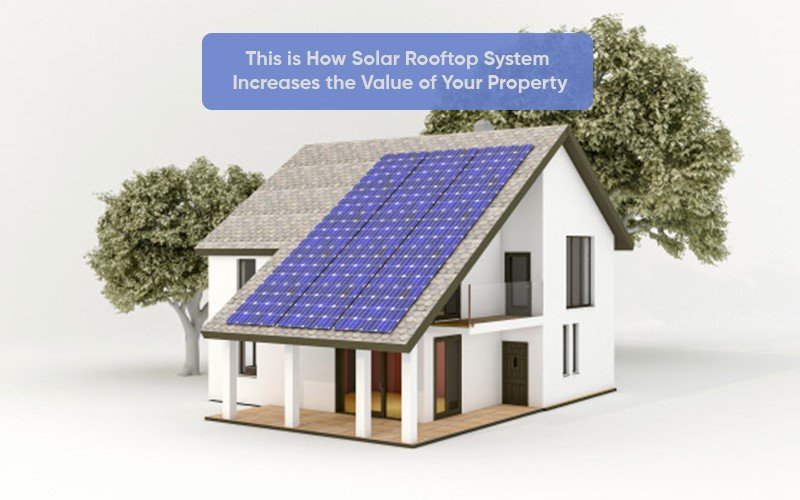
    How Solar Panels Increase Your Property Value

    More and more people are adopting environmentally friendly lifestyles and more intelligent energy production methods; therefore, the demand for energy-efficient homes is rapidly increasing. Of all the upgrades you can make, solar panels are among the most valuable. They help reduce your electricity bills and increase your property’s market value.

    In this blog, we’ll explain how solar panels increase your home’s value, the financial and environmental benefits, what affects property value, and some tips on how to get the most from your investment.

    How Solar Panels Add Value to Your Property

    • A Long-Term Home Investment: Solar panels are more than an upgrade to functionality; they are an investment in your long-term property. A good solar energy system can provide savings and benefits for over 20 years, making your home more attractive to future buyers.
    • Growing Interest among Buyers in Sustainable Living: Today’s homebuyers are far more environmentally conscious. Solar-paneled homes have a great appeal for buyers who want to live their lives sustainably and reduce their carbon footprint.
    • Perceived Value of Lower Energy Costs: Homes with solar systems guarantee long-term energy savings. Buyers cite this as a major advantage, as they find their electricity bills significantly lower after moving into a home with solar panels, compared to a home without them.

    Financial Benefits That Appeal to Buyers

    • Reduced Monthly Bills: A solar power system is a perfect way to save money on the monthly electricity bill. This is because solar energy enables a homeowner to produce their own electricity, which results in saving a significant amount of the power bill every month.
    • Protection from Rising Energy Prices: With the ongoing increment in electricity price, houses equipped with solar panels become sources of financial stability, thus shielding homeowners from unpredictable energy rates.
    • Government Incentives and Credits : There are various benefits, such as tax credits, rebates, and subsidies, which can be availed by homeowners in many areas, making the solar energy system affordable and attractive.
    • Strong Return on Investment (ROI): Eventually, the money saved most of the time is more than the cost of the installation, making solar panels a high-ROI home ​‍​‌‍​‍‌​‍​‌‍​‍‌improvement.

    Market Demand for Solar Homes

    • Domestic​‍​‌‍​‍‌​‍​‌‍​‍‌ solar panel installations across households in the United Kingdom increased by 22% during the first quarter of 2025, which is the fastest growth in a decade and is a clear indication that there is an upturn in market demand.​
    • Currently, over 1.7 million homes in the UK are equipped with solar panels, and residential adoption has increased by 6.8% year-on-year.
    • These residential installations represent the largest increase in new solar capacity, driven mainly by rising energy prices, the need for sustainability, and government incentives.
    • The generation of solar energy in the UK is expected to be around 14.43 billion kWh by 2025, which is enough to supply 5.3 million homes annually.
    • Actually, the share of new homes in England with solar installations throughout 2025 has already surpassed 40%, reflecting the acceptance of the technology as the new norm in the housing sector.
    • Some of the measures taken by the government, such as the £13.2 billion Warm Homes Plan and the future Homes Standard, which will come into effect next year, making solar panels compulsory for most new buildings from 2027, are some of the factors contributing to the rising trend of solar adoption.
    • Adoption of solar energy among UK residential consumers is expected to maintain a double-digit growth rate of more than 14% between 2023 and 2033, largely attributed to technological developments and low installation costs.
    • Moreover, the higher levels of connectivity with battery storage systems raise the energy cost savings while fostering energy self-reliance in consumers.
    • The desire to protect the environment and comply with net-zero emissions targets is prompting more and more homeowners to install solar panels and even make solar their primary energy ​‍​‌‍​‍‌​‍​‌‍​‍‌source.

    Factors That Influence the Value Increase

    FactorImpact on Value
    System Size & EfficiencyLarger, modern systems add more value                                     
    Location & Electricity RatesHigh-rate regions benefit more
    Age & Condition of PanelsNewer, well-maintained systems add greater value
    Ownership TypeOwned systems increase value more than leased ones

    Real Estate Insights and Appraisal Impact

    These days, appraisers openly support solar installation and consider it a valuable home feature, just like renovated kitchens or upgraded insulation. According to studies:

    • Solar homes sell for higher prices than non-solar properties.
    • Solar homes are in high demand in the real estate market.

    Discover Affordable Solar Panel Options with STATS Energy Solutions

    STATS Energy Solutions offers end-to-end solar solutions tailored to your needs from consultation to long-term ​‍​‌‍​‍‌​‍​‌‍​‍‌maintenance.

    • Professional, Hassle-Free Installation: They (our certified installers) take care of it all, from the system layout and permit acquisitions to the wiring and setting up. Being pro and having a keen eye for detail, they promise a smooth installation journey that is less disturbing and more productive.
    • Customized Solar Solutions:The​‍​‌‍​‍‌​‍​‌‍​‍‌ different properties are unique in their energy requirements as well. The effective solar system technology that they have follows your power objectives and takes into account your roof shape and budget, thus guaranteeing the best result and saving money. If it is a house or a business, it does not matter; they will work it out in a perfect ​‍​‌‍​‍‌​‍​‌‍​‍‌way.
    • Free Site Assessment: Begin with a no-cost site assessment, understanding the solar potential of your property, their technicians will analyze your energy consumption, roof condition, and location to give you a clear and data-driven recommendation that helps you to make a decision.
    • Ongoing Support and Warranties: STATS Energy Solutions provides you with a continuous service plan that includes regular checkups, performance tracking, and strong warranties to ensure that your solar panels will be in top form for many years to come. And you can get clean energy with no worries, and over a long period of ​‍​‌‍​‍‌​‍​‌‍​‍‌time.

    Conclusion

    Solar​‍​‌‍​‍‌​‍​‌‍​‍‌ panel investment is a win-win situation where you first reduce your energy bills and then increase your property value by a great margin, and add a long-term appeal. With the growing number of buyers seeking eco-friendly and energy-efficient homes, houses with solar systems have become a hot commodity. STATS Energy Solutions is the perfect partner to help you go solar with budget-friendly, professional installations that are tailored to energize and elevate your ​‍​‌‍​‍‌​‍​‌‍​‍‌home.

  • Is Solar Still Worth the Investment in 2025?

    Is Solar Still Worth the Investment in 2025?

    With global warming and energy prices going up, the question of whether you should consider solar is not “if” but “when”. So, is it really worth installing solar panels?

    The truth is that it mostly depends on the situation. With today’s technology and attractive government programs, solar energy is an excellent solution to both reduce energy costs and environmental pollution. We deny the myths of solar energy and look at the facts instead.

    If you’re wondering about the need for solar panels, here’s the gist of your dilemma. Explore in detail!

    Solar Energy in 2025: Smart Investment or Overhyped Trend?

    For the last couple of years, solar power has been a desirable option for UK households and businesses. The UK is generating more than 14.4 billion kWh of solar electricity annually, which can comfortably supply 5 million households with power. The combined solar projects have a capacity of 19 GW with 357 new developments waiting to be approved, so the share of solar in the grid is escalating fast. The UK government is putting £180 million into clean energy via the Great British Energy program for public buildings; thus, the demand will undoubtedly be created in the long term.

    • Technological Advancements in Solar Energy: The costs for panels have increased drastically by 90% over a period of ten years and are now on average only £0.15 per watt, which is very much cheaper than before. Innovations such as perovskite solar cells and more efficient battery storage have enabled solar solutions to be reliable even in the UK’s low-light climate. The majority of panels have 25+ year warranties and are a source of consistent returns with very little maintenance necessary.
    • Financial Incentives and Government Support: Various grants and incentives are available to lower the payback periods of new adopters even further. With the Smart Export Guarantee (SEG), you can make money up to 7.5p per kWh for the surplus electricity you export back to the grid. Besides, the owners of residential properties might take advantage of 0% VAT (until 2027) and up to full (100%) government grants for the provision of eligible properties through ECO4, the Warm Homes Plan, and local schemes. In fact, annual savings may go beyond £1,200 for optimally sized systems.
    • Economic and Environmental Benefits: Switching to solar means cheaper and more predictable bills, a safeguard against price increases, and additional money from surplus energy. From an environmental perspective, solar adoption is supporting the UK transition from fossil fuels, with renewables currently generating 54.5% of the country’s electricity, as per the figures of Q2 2025. A solar investment is also a property value enhancer and a sustainability credentials improver for both residential and commercial properties.
    • Solar power is still a very viable and environmentally friendly source of energy in 2025, and it should not be regarded as just a temporary hyped trend. If you want to take advantage of solar energy, visit Stats Energy Solution to see what kind of innovative solar solutions will fit your home or business best.

    Why Choose Stats Energy Solution for Your Solar Power Needs

    • Trusted Expertise & Premium Quality: STATS Energy reflects on itself as a leader in solar energy solutions in the UK. They are MCS-certified—meaning that the installation complies with the highest standards of the industry, and you get the assurance of a reliable performance and warranty cover. They team up with the top renewable-tech brands to offer you the best systems that are both economically viable and robust for the long term.
    • Full-Scope Service, Guiding You Seamlessly: STATS Energy provides a complete service to the customer from the first free site survey to the final handover after the installation and design. Coordinated installations will be convenient for you as you will not have to worry about the handling or any other unexpected issues. In any case, be it a residential or commercial project, they create the design that meets your requirements while considering the roof area, power consumption, and making it ready for the future.
    • Cutting-Edge Technology & Future-Ready Capabilities: STATS Energy doesn’t just stop at solar panel installation. They also integrate sophisticated components such as battery storage units and EV-charger integration. The implication here is that you don’t merely produce energy, you also handle and save it, thus increasing your freedom and security of supply. Their designs are made to be energy-efficient even in the UK weather conditions because they use technology and methods of installation that are specifically for high performance.
    • Real Savings, Real Impact: Using solar with STATS Energy could actually be beneficial for you in a number of ways: reduce energy bills, safety against rising energy prices, a higher value of your home, plus less carbon emissions. Their personalized packages are accompanied by cost-saving forecasts, thus you will be fully informed of the results.
    • Client-First Approach & Transparent Process: STATS Energy is very clear about its customers’ needs: they explain the energy consumption, design the most appropriate systems, and carry out the installation by accredited engineers. On their customer testimonials, they mainly report the professionalism of the service, the flawless performance, and the savings that can be measured.

    Their process is simple and stress-free:

    • Free site survey
    • Personalised proposal & forecast
    • Accredited installation
    • Start saving energy from day one

    Conclusion

    Solar energy continues to be a highly profitable and future-oriented investment for both residential and commercial sectors in 2025. Due to ongoing technological improvements, subsidies, and the UK government’s incentives, a strong commitment to green energy, solar installations offer shorter return periods and higher energy self-sufficiency than before.

    In case you require a solar partner in the UK that has certified expertise, offers top technology, provides full-service installation, and has a clear savings potential, then STATS Energy is definitely a great option.

  • 10 Reasons Why You Should Use Solar Power ( Stats Energy Solutions Ltd. )

    10 Reasons Why You Should Use Solar Power ( Stats Energy Solutions Ltd. )

    What if you could control your energy, your money, and the effect you have on the environment? This is the indication of solar energy, and there is no better time to accept it. As the prices of electricity are rising day by day, solar stands as an excellent, environmentally friendly, and sustainable solution for homeowners of the 21st century.

    This is definitely more than just an upgrade; it’s a commitment to a brighter and more independent future. You hold the power to decrease your energy costs, save the earth, and make your home energy-independent.
    Intrigued by the solar shift? Let’s find out the essential solar power benefits that make solar the best option.

    Top Benefits of Using Solar Power

    1. Reduce Your Electricity Bills:

    Solar energy is among the least expensive methods to produce electricity, which is the most significant advantage. So, your requirement for the grid will be reduced since you can generate your own power. In addition, if you have a surplus of energy, you are allowed to earn money through net metering or export tariffs.

    FactorData / Statistic
    Average Electricity Bill ReductionUp to 70%
    Earnings from Smart Export Guarantee (SEG)4–15 pence per kWh of surplus energy exported
    Total Savings and Earnings Over 25 YearsBetween £8,000 and £20,000
    Energy IndependenceSignificantly reduced reliance on the national grid
    Sustainability ImpactZero-emission, renewable energy source

    2. Environmentally Friendly

    Solar energy is sourced from the Sun, which is a clean energy source of the earth and is not going to be depleted like fossil fuels, for example, coal, oil, or natural gas. It can be rated as one of the cleanest and greenest methods to produce energy because it does not emit any pollutants during the process.

    Here’s why it matters:

    • Solar energy is one of the most significant contributors to saving the planet. It is basically free of any atmospheric pollutants or greenhouse gases.
    • Solar power is indispensable in the fight against climate change. By reducing fossil fuel use, carbon dioxide emissions are cut, improving air quality and making communities healthier.
    • By choosing to power your home with solar energy, you are contributing to the reduction of polluting emissions.
    • In fact, each solar panel installation is a move towards global environmental protection and the achievement of sustainable development goals.

    3. Boost Your Property’s Worth

    One of the benefits that many homeowners fail to recognize is that the installation of solar panels can greatly raise the value of your home on the real estate market. In the same way as upgrading a kitchen or adding a new room, solar panels are considered a contemporary improvement that makes your property more attractive. According to various studies, people who plan to buy a home are generally ready to spend more on a property that has a solar system installed, as they can enjoy reduced energy bills and a green lifestyle.

    4. Solar Power Works Anywhere

    Solar energy is considered a good source of energy only in a bright and hot place; however, that is not true. Solar panels are made to work efficiently in different temperatures, whether it’s a scorching hot desert or a cold and cloudy place.

    In fact, a place with a long and cold winter like Alaska still has enough sunlight to power an average household. Besides that, solar technology is constantly getting better as researchers are always coming up with new ways to make the panels more efficient under various weather conditions and in different climates; therefore, solar is an almost 99.99% reliable energy source.

    5. Long-Lasting and Easy to Maintain

    Solar panel setups are so strong and rarely require any kind of maintenance. Most of the time, they should just be cleaned twice a year, and it is advisable that this be done only by professional cleaners if you want the solar panels to continue operating efficiently.

    Solar panels are a significant investment in the long run, as their central part, the inverter, can be replaced, which usually has a lifetime of around 5 to 10 years. After that, the panels can still generate power for 25 to 30 years.

    6. Government Incentives and Tax Benefits

    Many regions, including the UK, offer incentives like the Smart Export Guarantee (SEG) that pay homeowners for surplus energy exported to the grid. These schemes make solar investments more affordable and profitable.

    The UK authorities energetically encourage projects like the Smart Export Guarantee (SEG) that provide financial benefits to people who are generating extra solar energy and thus feed it back to the main grid. Such plans make solar energy a cheaper and more profitable source of energy.

    SEG Tariff Rates

    • Electricity suppliers that are licensed by the SEG can establish the tariffs (rates) of their exports as they wish, but they need to be above zero. These tariffs depend on the supplier and the situation of the customer. Below are some of the distinguished tariffs:

    7. Reliable Energy Source

    Solar energy is a reliable source because the sun is always shining, thus giving a steady supply of energy. Today’s solar panels are built to be effective even under cloudy conditions, as they can absorb diffuse sunlight and convert it into electric power. Hence, solar energy is a dependable source to supply your house or commercial unit on clear and sunny days, regardless of the weather.

    8. Support for a Sustainable Future

    Using solar energy means using a green source that is renewable and is not one of the depletable fossil fuels. So, emissions of carbon dioxide, as well as other pollutants that cause smog, are lowered. Moreover, it agrees with the worldwide necessities of sustainable development as the need for clean energy sources is met. Thus, a solar energy investment is a promise to nature’s environmental stability at present and in the future.

    9. Scalable for Any Need

    Solar setups are amazingly adaptable and can be adjusted to fit any size, from a small household system to a large industrial installation. It is this flexibility that allows solar energy to meet the power needs of almost any property. The implementation of solar technology, either in residential or commercial settings, is a viable and scalable way of generating green energy in a clean manner.

    10. Long-Term Savings and ROI

    Putting up solar panels entails only a one-time cost, which might look as if it’s a pretty hefty amount of money at a glance. However, the cash saved on electricity bills is gradually paying back that capital. Besides, the homeowners can also make some additional money if they inject the energy that they don’t use into the network. These are the factors that make solar panels an investment worth money in the coming years.

    Harness the Power of the Sun with Stats Energy Solution LMD

    At Stats Energy Solution LMD, their specialization revolves around setting up the most suitable solar power systems for both homes and businesses. They also make it easy for customers to enjoy the benefits of renewable energy through the full range of services, which include cost savings, green sustainability, and value for money.

    Choose Stats Energy Solution LMD for:

    • Expert Installation for Solar Panel and EV Charger Installation
    • Customized Solutions
    • Quality Assurance
    • End-to-End Support

    Conclusion

    Transitioning to solar energy isn’t simply a wise financial decision but also a commitment to a cleaner, greener, and more sustainable future. Saving money on energy bills, increasing home equity, reducing your carbon footprint, achieving reliable and maintenance-free energy, etc., have their rewards.

    When you work with Stats Energy Solution LMD, you have solar installation and professional energy solutions, and long-term support, maximizing your solar solution. Make your move today into the sun, save some money, and invest in a sustainable future for generations to come!