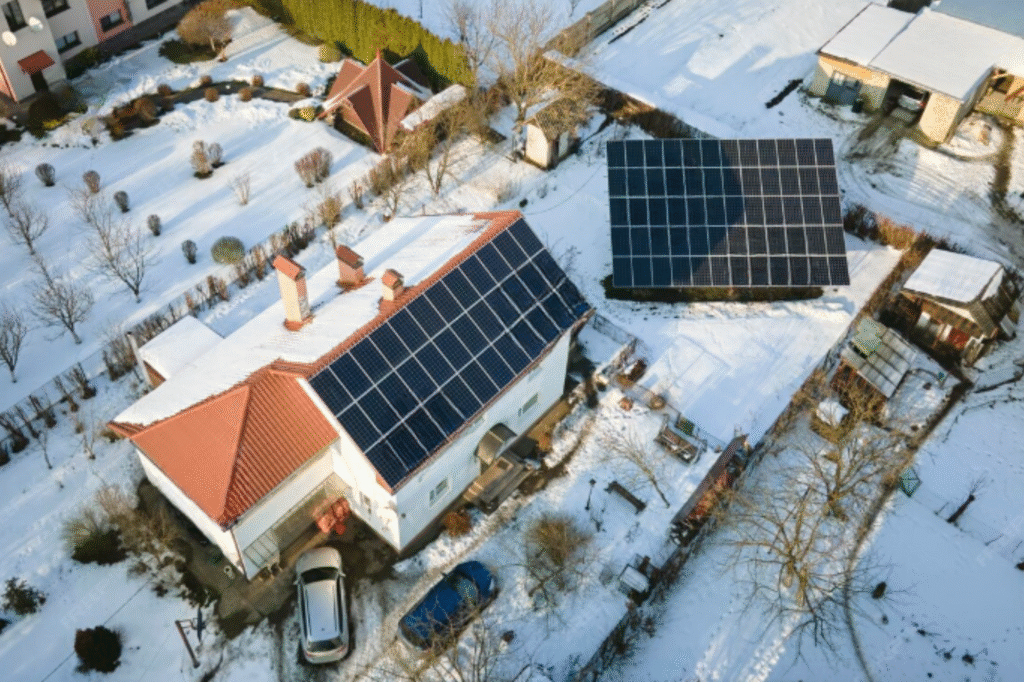
The roof is covered in fresh snow, and the sun barely shines through the pale sky. This is a common sight during the cold season and often prompts questions from solar panel users or those considering solar panels: Do solar panels work in the winter?
In brief, the answer is definitely yes. However, the story is even brighter. The season may have its own set of problems, such as less daylight and the snow covering the panels, but it also hides an unexpected fact: solar panels frequently work more efficiently in cold, clear weather.
This ultimate guide takes the myths about frosty myths and brings the real facts to you. We explain the efficient science of cold weather, the real effect of the snow, and give you handy tips to keep your system energy production high all year round. Find out why winter could be the solar panels’ least expected but most faithful friend.
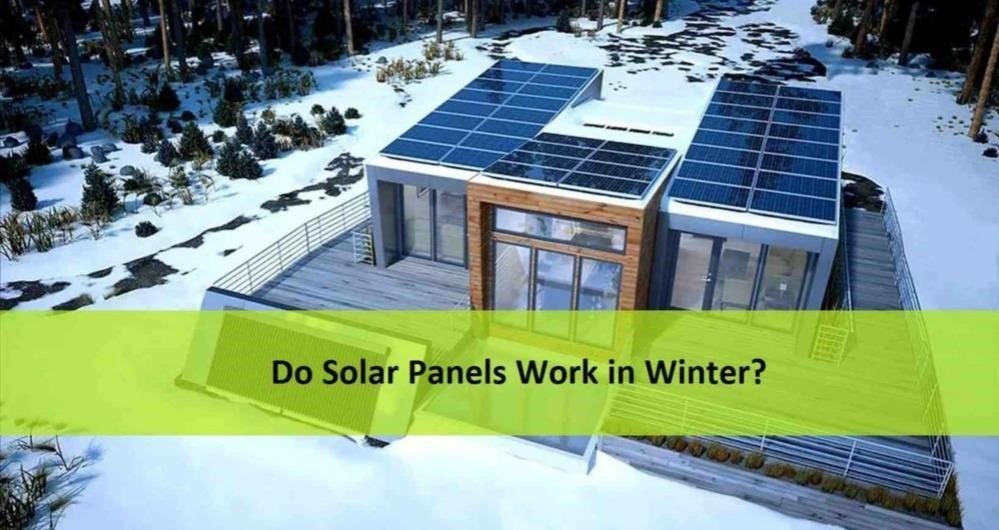
Do Solar Panels Work in Winter?
Solar panels are still functional during winter, and this is true even if the temperature is very low and the days are short. The one thing the system needs is light, not heat. This means that the panels absorb sunlight in winter and work best in lower temperatures.
Most solar panels in the UK still produce a steady amount of energy in the cold season, usually at about 20–35% of the yearly output during the months of low light. For example, a local UK study of a standard 4kW system shows it produced close to 25kWh per day in May/July and only about 4.9kWh per day in December; that is approximately a 3:1 ratio of summer to winter. Over the entire year, the reduction in winter production is offset by significantly higher output in the summer, thus annual savings stay at a considerable level despite the seasonal changes.
Example: Seasonal output split
A typical pattern for a well-sited UK solar system looks like this:
| Season / Period | Share of Annual Output | Typical Notes |
| Late Spring–Summer (Apr–Sep) | ~65–75% | Peak generation occurs due to long days, higher sun angle, and clearer skies. |
| Autumn Shoulder Months (Mar, Oct) | ~10–15% | Efficiency is around 55–70% of the peak summer months. Cooler temperatures often aid panel efficiency. |
| Core Winter (Nov–Feb) | ~20–25% | Output is 25–50% less than summer due to shorter daylight hours and more cloud cover, but panels still contribute useful generation. |
How Winter Weather Affects Solar Panel Efficiency
Winter weather may affect the performance of your solar panels, but it is not a reason for them to stop producing electricity. Knowing these changes will allow you to plan the actual energy production that you can expect during the cold period.
- Reduced Daylight Hours: Because of shorter days in the winter, energy production will generally be less. It is daylight that can drop to around 7–8 hours in December in the UK, as compared to 16–17 hours in June, thus reducing the total time during which power can be generated from panels. Panels are still working in all daylight hours, but the shorter window limits the total output.
- Cloud Cover and Diffuse Light: Winter is typically cloudy, but solar panels can still generate energy from indirect or diffused sunlight. On very overcast days, panels’ operating capacity generally falls between 10 and 30% of their peak capacity, depending on the cloud density. Even though this decrease is significant, it’s still enough to contribute significantly to a home’s energy use.
- Cold Temperatures Can Improve Efficiency: In fact, solar PV systems are more efficient in cold weather. A solar cell works best at low temperatures because heat reduces the voltage and efficiency. Each solar panel is equipped with a “temperature coefficient”, which means that its output decreases slightly for every degree above 25°C. So, in clear winter weather, panels can be more efficient in terms of the unit of light received.
- Snowfall and Ice: A little snow often melts quickly due to the tilt of the panel and the sun’s residual heat. However, heavy snow can block some or all of the light, reducing production until the snow melts. In fact, new snow on the ground can increase system production due to the albedo effect. The albedo effect is the reflection of sunlight off the snow, allowing more light to reach the panel.
Tips to Maximise Solar Output in Winter
You can definitely make the most out of your solar panels in the cold season with a proper strategy. With just a few clever adjustments, you will be able to keep the energy efficiency at a high level throughout the winter period.
- Regular Cleaning and Snow Removal: Panels need to be kept free of any obstruction. A light layer of snow is usually removed by the wind without the necessity of any intervention, especially if the roofs are angled, but a heavy layer of snow may block the sunlight completely. A soft brush or an extendable snow rake should be used to remove the buildup safely, but never use metal tools, as they can damage the panels. In case the snow is thin or the temperatures are getting higher, it is generally better to let it melt on its own as the panels heat up slightly when they are in operation.
- Optimal Panel Angle and Placement: By having the panels angled to a greater extent, the solar energy can take more advantage of the usually weaker sunlight in winter, and the snow is also more likely to slide off the panels without any problems. Hence, a little tilted solar panel can still produce more electricity in the cold season. Consequently, solar panels on roofs facing the south are still the best, as they get the most intense and most prolonged sunlight during the day.
- Pairing Solar with a Battery: Adding a home battery system is a great way to store excess energy that is generated during the day and use it during the dark winter evenings. In this way, the dependency on the grid is minimized, and the winter self-consumption rate is raised. A battery can still be handy in the case of low winter generation, as it guarantees that your installation will operate efficiently during the hours of peak consumption in the household.
Beat Rising Winter Bills with Reliable Solar Energy
In case you are worried about increasing energy bills during the winter, you can considerably reduce the household costs by switching to solar energy combined with STATS Energy Solution. Thus, with top-tier solar panels and modern battery storage systems, both homes and businesses in the UK are capable of producing clean power onsite, which leads to a substantial reduction in electricity bills and less dependence on the grid. It is a beneficial situation during the winter days when consumption is at its peak.
Besides, STATS Energy Solution provides you with the safest and most cost-effective EV charger installation services that complement solar systems that generate clean energy for use at home or in the car, helping reduce your total energy costs and achieve a greener, more independent lifestyle. STATS Energy is there for you with professional design, installation, and support for solar, storage, and EV charging to help you stay ahead of the heating bills this winter while helping to conserve the environment for the future.
Conclusion
Solar panels are still functional during the winter season, even though the days are shorter and the temperatures are lower. The production of energy may be lowered due to less sunlight and cloud cover; however, contemporary photovoltaic (PV) systems are still efficient and dependable throughout the whole season. A proper installation, good upkeep, and maybe a battery device will allow the users to keep solar energy production at any time of the year. The cold season is not a barrier to solar energy; it only shows how important it is to have a well-designed, high-quality system.