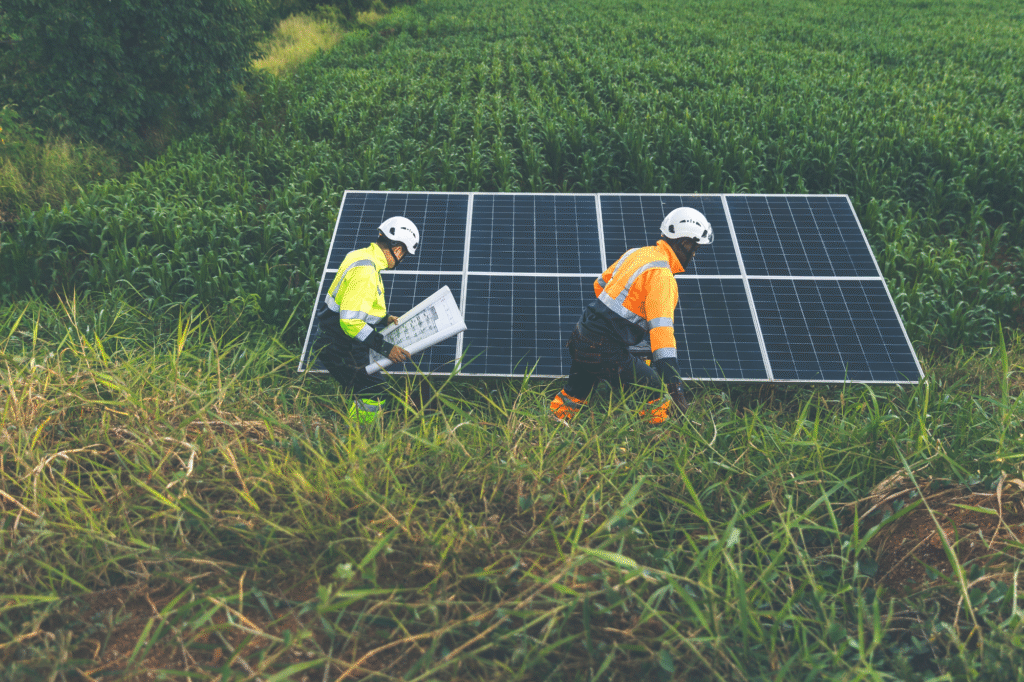
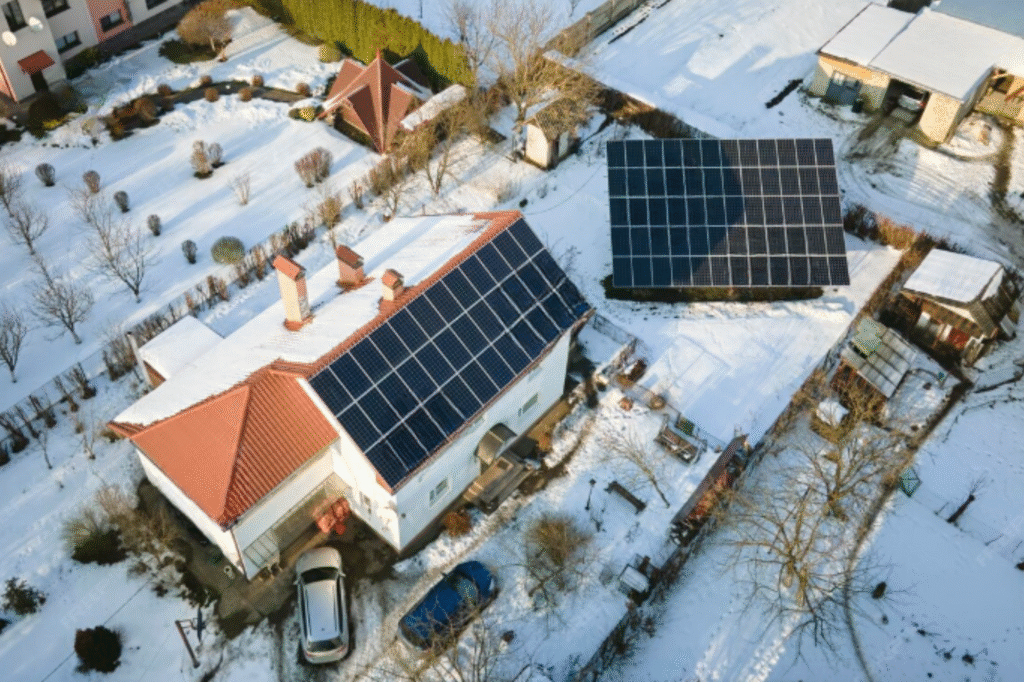
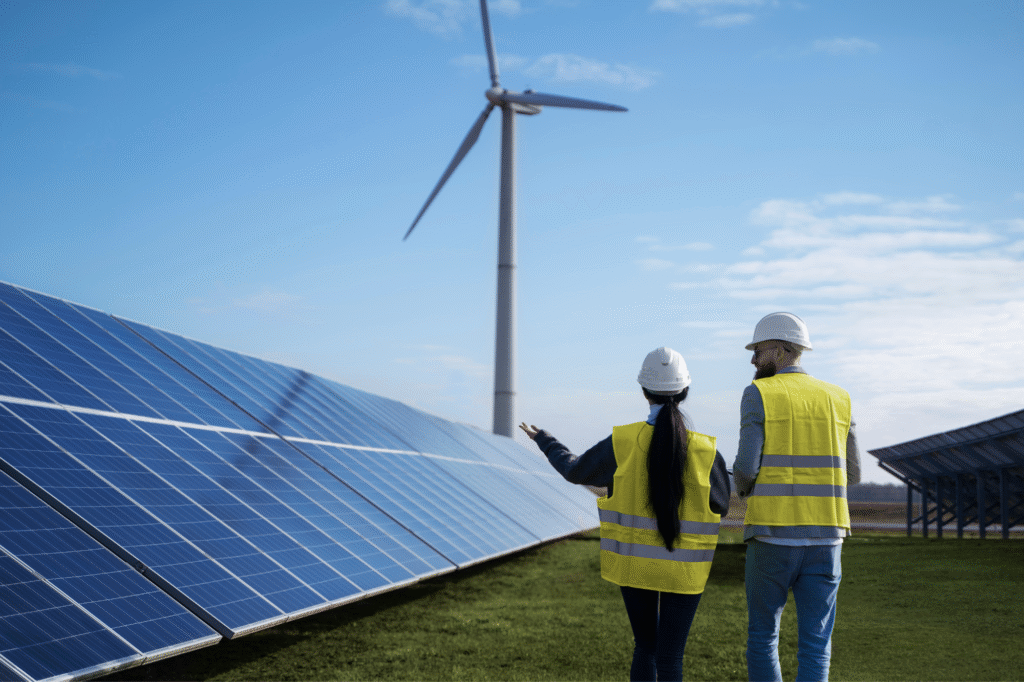
Every hour, the sun provides Earth with a tremendous amount of energy, more than humans use in an entire year. The global transition to clean energy depends largely on harnessing just a small portion of this power. Solar panels, the technology of the future, are now readily visible on rooftops and open lands, heralding a sustainable future.
But is solar power the right answer? Like any other major technology, it has its drawbacks. It’s about being green, practicality, economics, and long-term impact.
In this article, we decide to take a step further from the promotion and examine the real pros and cons of solar energy in a balanced manner. If you are a homeowner considering solar panel installation, an environmental activist, or simply someone with a future-minded perspective, knowing both sides is important.
Advantages of Solar Energy in the UK
- Lower Electricity Bills & Savings: One of the most effective ways to lower your energy costs is through the installation of solar panels that generate electricity right at your home. As energy prices are increasing day by day in the UK, the use of solar could save household bills by a few hundred pounds or more than £1,000 a year, depending on system size and use. Moreover, most of the systems are compatible with the Smart Export Guarantee (SEG), creating a source of income when excess energy is sent back to the grid.
- Environmentally Friendly & Low Carbon: Solar energy is a clean source that does not release any carbon emissions directly during the process of electricity generation. Therefore, it contributes to reducing the total carbon footprint of your home. A standard domestic solar panel setup in the UK can counterbalance about 1.3–1.6 tonnes of CO₂ each year, which is a very significant step in the direction of the UK’s net-zero targets.
- Increased Property Value: It is estimated that houses equipped with solar panels can be sold at a higher price by as much as 14% in comparison to similar houses without clean energy systems. The studies show that the need for such properties by buyers keeps rising.
- Minimal Ongoing Maintenance: Solar energy systems are pretty much trouble-free and simple to maintain. The installation should be kept clean and dry, but rainwater usually takes care of all the dust and other particles for you. The majority of top-tier solar panel makers offer guarantees that extend up to 25-30 years, which is a significant relief to the customer over a long period of time. If you have a problem, it is safe to assume it is covered; you only need to check the warranty conditions with your dealer beforehand to be sure.
- Government Support: By 2030, the Clean Power Action Plan of the UK government aims to have a solar power capacity of 45-47GW, and as a result of this target, the UK has raised the renewable energy budgets to £1.5 billion, which is a great help to the widespread implementation of renewable energy.
Disadvantages of Solar Energy in the UK
- Significant Upfront Investment: Generally, a 4kW solar power system is around £6,000 to £8,000, including the installation. Even if such a system can be completely self-sufficient in 7-10 years, the initial cost can be difficult to manage, especially considering that some programs, such as the Boiler Upgrade Scheme, do not provide support for solar PV.
- Impact of UK Weather Conditions: Energy generation is affected by the changing weather. A 4kW system can generate roughly 3,400kWh a year in a sunny area like Cornwall, but in Scotland, the production would be only about 2,800kWh. Panels are capable of working in diffuse light; however, the yield is lower on cloudy days, as it is normal.
- Roof Space and Orientation Limits: A standard 4kW system installation will require approximately 28 square metres of a roof that is free of shade and facing the south. A home that has a small roof or is shaded by a chimney or a skylight might have to install a ground-mounted system. Such a system can increase total costs by more than £1,000.
- Additional Cost of Battery Storage: During the day, when the sun is shining, solar panels are able to generate most of the electricity that is needed, but this is not the case during the peak hours in the evening. In case you wish to have more self-sufficiency, a battery like the Tesla Powerwall is priced between £5,000 and £10,000, which is most of the time, double the total system investment.
Solar Energy in the UK: Advantages vs. Disadvantages
| Advantage (UK Context) | Details | Disadvantage (UK Context) | Details |
| Lower Electricity Bills & Savings | Solar panels can reduce annual energy bills by several hundred pounds to over £1,000, depending on usage habits. Homeowners also earn revenue through the Smart Export Guarantee (SEG) by exporting surplus power to the grid. | Significant Upfront Investment | The cost for a typical 4kW solar system ranges from £6,000 to £8,000. The estimated payback period is typically 7–10 years, and current schemes like the Boiler Upgrade Scheme do not cover solar PV. |
| Environmentally Friendly & Low Carbon | Solar power produces zero direct emissions. A standard UK system effectively offsets between 1.3 and 1.6 tonnes of CO₂ annually, significantly supporting national net-zero goals. | Impact of UK Weather Conditions | Energy output naturally varies across the country; output is around 3,400kWh/year in sunnier regions like Cornwall but only about 2,800kWh/year in Scotland. Cloudy or rainy days also reduce overall efficiency. |
| Increased Property Value | As demand for energy-efficient homes grows, properties featuring solar panels can potentially sell for up to 14% more than comparable homes without them. | Roof Space & Orientation Limits | A typical 4kW system requires approximately 28m² of suitable, ideally south-facing, roof space. Shaded or small roofs may necessitate costlier ground-mounted systems (starting at £1,000+). |
| Minimal Ongoing Maintenance | Panels typically require only occasional cleaning, as rain often suffices. Manufacturers offer robust 25–30-year warranties, covering most potential long-term issues. | Additional Battery Storage Costs | To maximize solar power usage at night or on cloudy days, battery storage (e.g., Tesla Powerwall) is necessary. These units can cost £5,000–£10,000, often doubling the initial total investment. |
| Government Support | The UK has ambitious energy targets, aiming for 45–47GW of solar capacity by 2030. A large, £1.5 billion renewable energy budget supports the technology’s wider adoption. | — | — |
Choose Solar Energy Today for a Brighter, Sustainable Future
Without a doubt, solar energy comes with advantages and disadvantages. Knowing these will allow you to figure out whether your property is suitable for solar energy or not.
However, getting reliable installers at the most affordable price is not that easy. Instead of reaching out to companies one by one, STATS Energy Solution makes it easier for you to get in touch with competitive solar quotes free of charge.
Conclusion
Knowing the pros and cons of solar energy is a must if you are thinking of using it in your home. Solar energy, on the one hand, provides you with considerable savings over time, is eco-friendly, and requires little maintenance. Additionally, it is sometimes expensive and limited by the weather and the available space. Double-checking these aspects will help you decide whether to proceed with solar energy. In addition to that, STATS Energy Solution is there to help you from the beginning to the end if you require a professional clean energy transition that is cost-effective and future-ready.