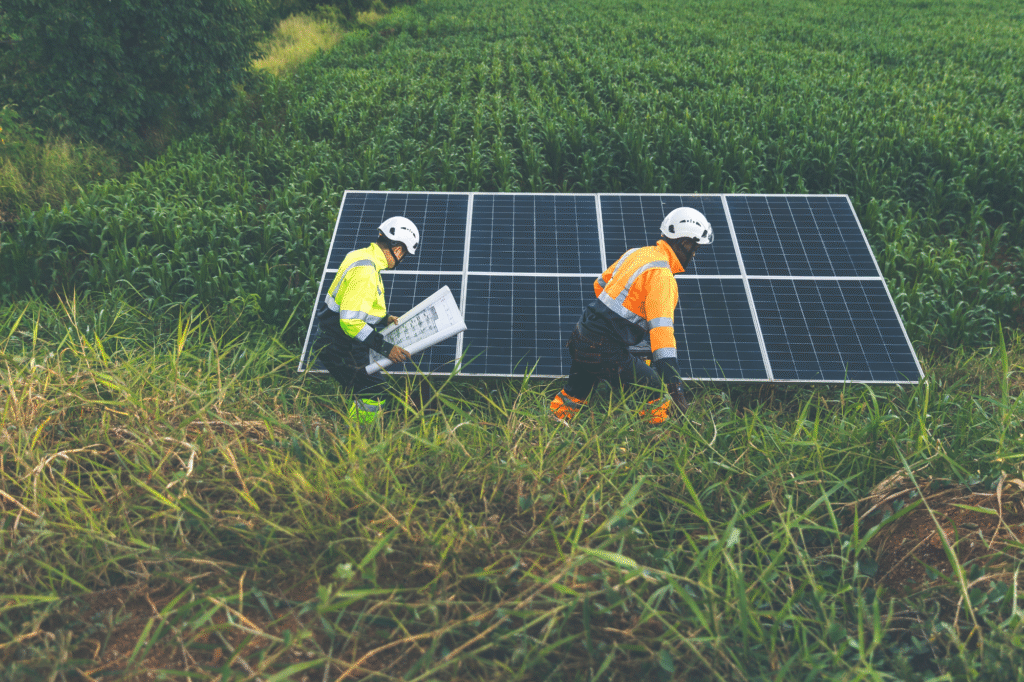
As interest in renewable energy grows, many landowners are looking for smart ways to maximize the benefits of their properties. Often, they ask if solar panels and agriculture can coexist on the same land without adversely impacting either.
Finding this balance isn’t just about equipment; it requires considering local regulations, carefully designing the system, and analysing long-term financial implications. Understanding how solar power can be part of a working farm is the best way to make a decision that will be beneficial for both the land and the bottom line.
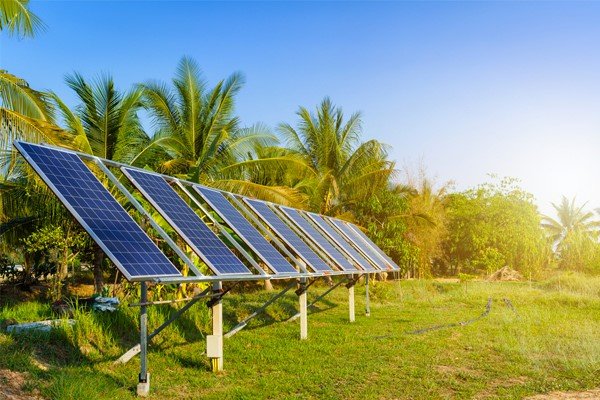
Is It Legal to Install Solar Panels on Agricultural Land in the UK?
In the UK, installing solar panels on agricultural land is entirely legal, though it involves navigating a specific set of planning rules and land classifications. Because the government aims to protect the country’s food security while promoting green energy, finding the right balance is a central part of the process.
Here are the primary factors to keep in mind:
- UK Planning Permission Requirements
The majority of large-scale solar panel installations on agricultural land require planning permission. The LPAs are the ones who look at the applications on the basis of the NPPF and local plans. According to the NPPF, development on the best agricultural land is generally deterrent unless it is absolutely necessary.
- Role of Local Planning Authorities (LPAs)
Local planning authorities (LPAs) review the solar project applications and take into consideration the land quality, the environment, and the distance to the grid. They also check that the developments are in line with the national and local planning policies before granting consent.
- Permitted Development vs Full Planning Consent
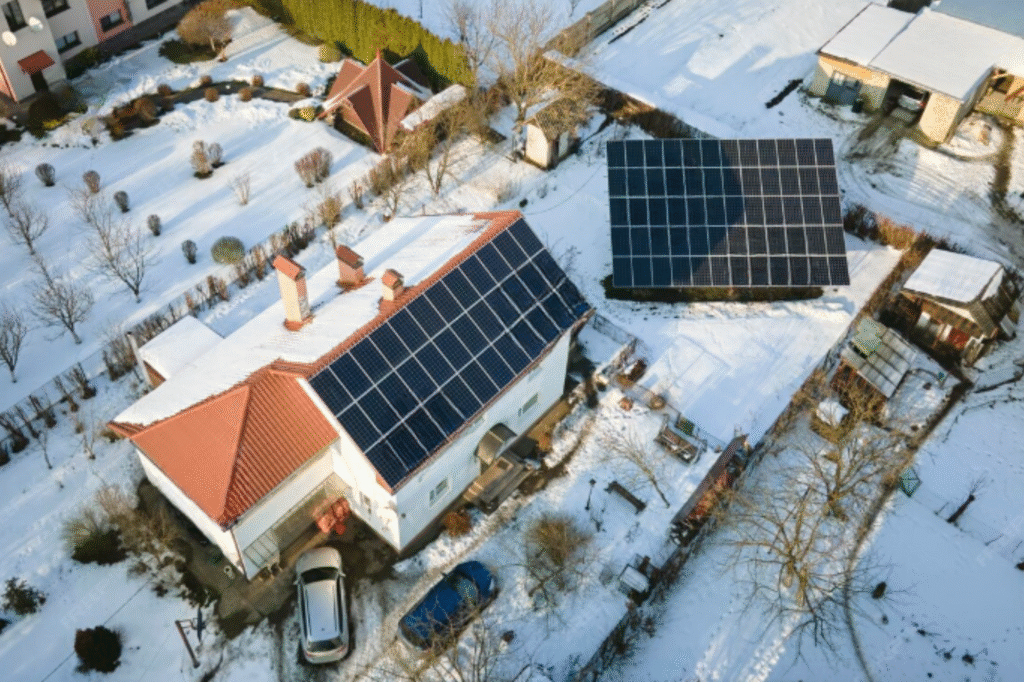
Permitted Development: It is a well-known fact that the majority of single solar systems for residential and commercial properties are suitable to be “Permitted Development.” What this basically entails is that you have permission in principle to mount solar panels, most times on the roofs of existing structures, without having to submit a formal planning application. This way, the government has aimed to make it as easy as possible for people to switch to green energy.
Full Planning Consent: While smaller rooftop projects are streamlined, larger ground-mounted systems or solar farms usually require Full Planning Consent. This is almost always the case if the project:
- Covers a large area (typically more than 9 square metres for standalone systems).
- Involves Best and Most Versatile (high-quality) agricultural land.
- Spans a significant size, such as projects exceeding 20 hectares.
Importance of Land Classification (Grades 1–5)
In the UK, farmland is divided into six grades, of which Grades 1–3a are referred to as the Best and Most Versatile (BMV) land. Normally, solar farms are not allowed on BMV land, and the intention is to carry out development on the lower-grade (Grade 3b and below) land, which is less agriculturally productive.
- Grade 1–3a: Excellent quality, usually protected from solar development.
- Grade 3b–5: Moderate to poor quality, typically allowed for solar projects.
Benefits of Solar Panels on Agricultural Land
Installing solar panels on agricultural land is a game-changer for UK farmers. It’s a move that pairs modern, sustainable energy with long-term financial stability and a healthier environment. Instead of just being an extra, solar is becoming a core part of how farms thrive in today’s economy.
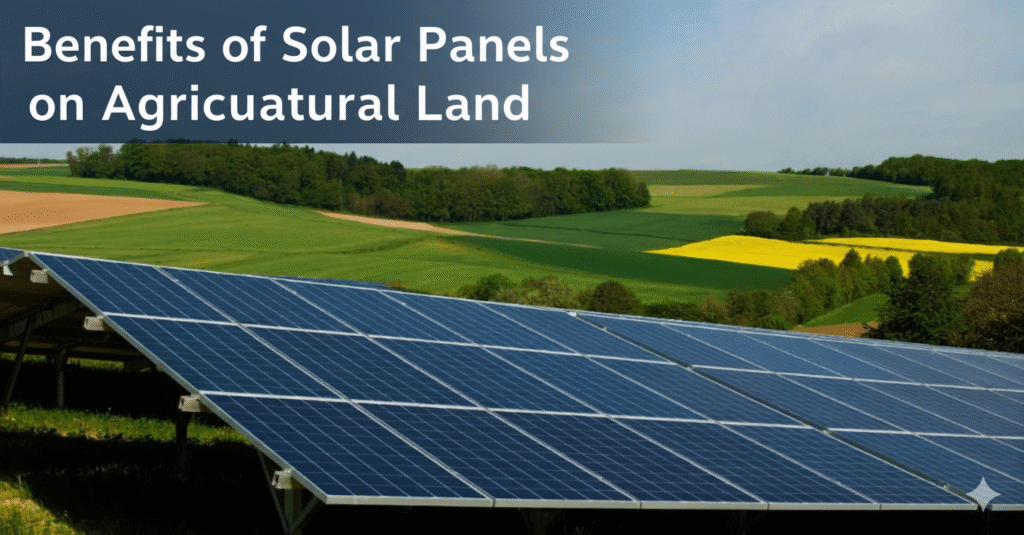
Here is why this shift is gaining so much momentum:
- Additional income streams for farmers: Solar installations would be a good way to diversify farmers’ monotonous income by providing them with a new, pretty reliable source of revenue. An area can be given out on rent for solar schemes, or electricity can be produced for the grid export with the help of programs like the Smart Export Guarantee (SEG), thus, farm revenues can be stabilized against the impact of seasonal or market fluctuations.
- Reduced energy costs for agricultural operations: Agricultural activities usually require a lot of power for the watering of crops, storage, machinery, and animal houses. When farmers install solar panels, they become self-sufficient in energy production, which means less dependence on the public supply and thus cuts down on energy costs for several years. Additionally, solar power acts as a shield against increasing electricity tariffs.
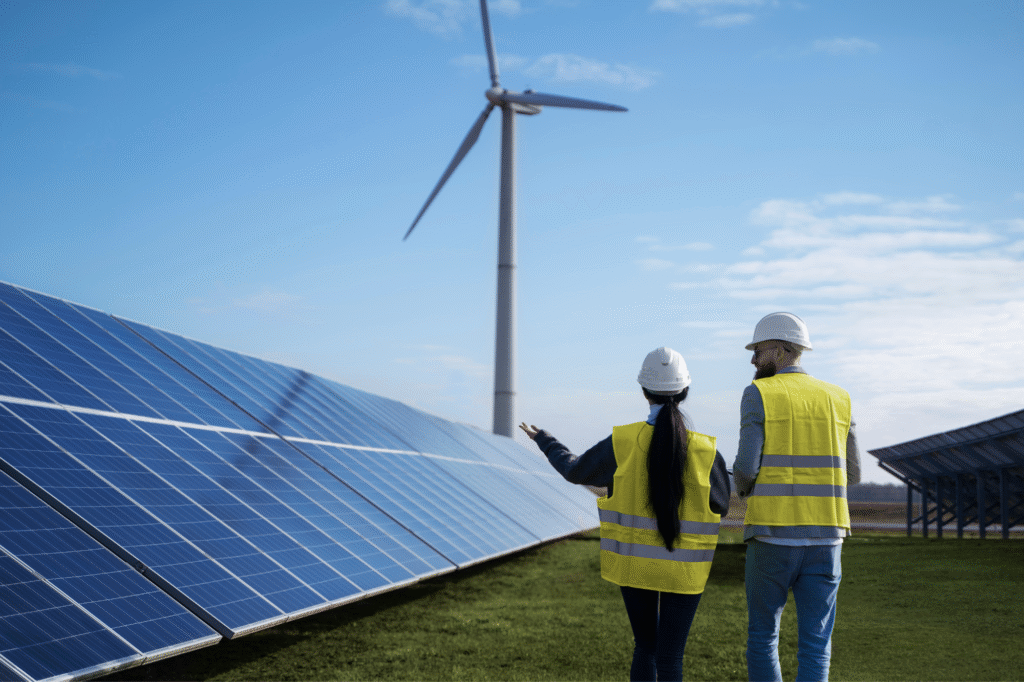
- Contribution to the UK’s net-zero and renewable energy goals: Solar panels on agricultural land create clean and renewable power, thus aiding the UK in its net-zero carbon emission goals. Apart from that, they lower the carbon footprints, employ the land in a sustainable manner, and at the same time, are an active element in the renewable energy mix of the country.
Planning Challenges and Common Restrictions
Even though there are a lot of advantages to the agricultural land solar panels, the UK landowners need to be very cautious and thoughtful of the planning issues and the regulatory limitations before making any decision.
- Visual impact and landscape concerns: Local planning authorities carefully evaluate the impact of solar projects on the local landscape. A large or badly placed system can be considered a visual nuisance, especially in the countryside or areas with beautiful views. Hence, the developers have to consider the gentlest layouts, utilize screening, and take planting measures to reduce the visual impact to the barest minimum.
- Protected Areas and Land Designations: In the UK, certain lands are under very strict control to ensure they stay beautiful for future generations. Solar developments face much higher hurdles in protected locations such as the Green Belt, National Parks, or National Landscapes (formerly known as Areas of Outstanding Natural Beauty). In these spots, the default position of the law is to prioritize landscape preservation and environmental protection over new development. Obtaining permission here is significantly more difficult and requires proving very special circumstances. This usually involves demonstrating that the environmental benefits of the clean energy produced are so high that they outweigh the minor harm to the landscape, or showing that no other suitable sites exist outside the protected zone.
- Community Engagement and Listening: Community input is crucial to the planning process. Residents can express their concerns regarding the look, the use of land, or the potential environmental negative effects. Getting involved from the start, communicating clearly, and being honest with the project will not only solve the problems but also help gain approval.
How STATS Solutions Can Help
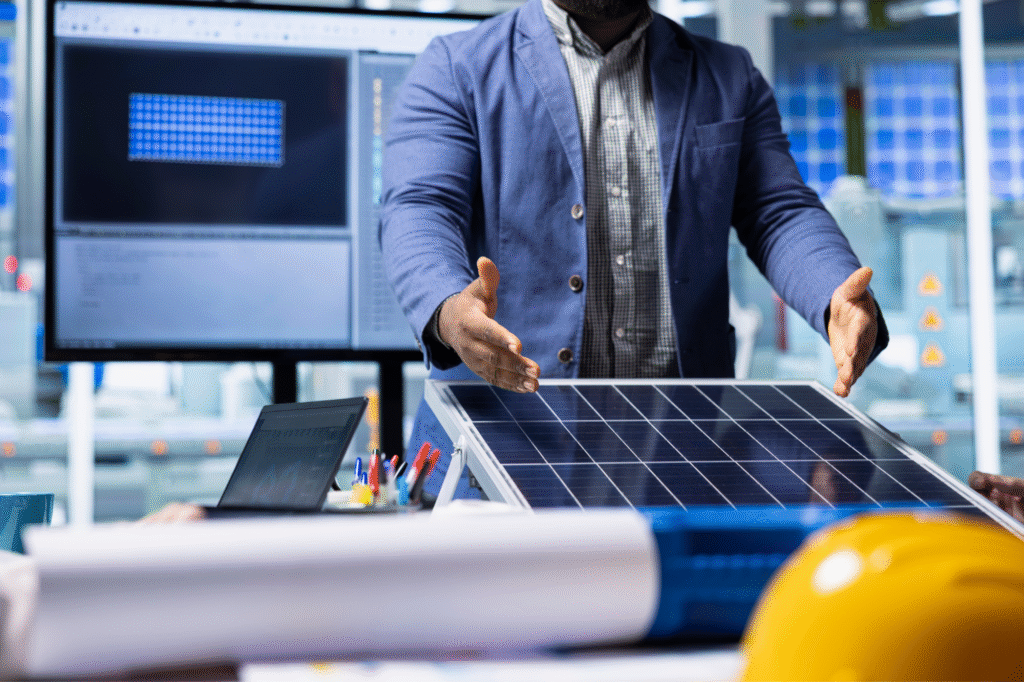
STATS Solutions supports landowners and farmers through all phases of their agricultural solar development by mixing their expertise with practical help to implement dependable, legally compliant, and efficient solar projects.
- Expert consultation for agricultural solar projects: STATS Solutions supports landowners and farmers through all phases of their agricultural solar development by mixing their expertise with practical help to implement dependable, legally compliant, and efficient solar projects.
- Planning guidance and system design: It can be complicated to deal with UK planning requirements. STATS Solutions offers straightforward planning advice, assisting clients in satisfying the demands of the local authorities, considering the landscape, and abiding by environmental regulations. Tailor-made system layouts are created to increase energy production while being compliant with the land and regulatory conditions.
- Installation, battery storage, and energy efficiency support: STATS Solutions is your one-stop shop for a wide range of services, from the professional installation of solar panels to the provision of state-of-the-art battery storage systems. Moreover, the team extends its energy efficiency expertise to farmers, thereby facilitating a reduction in their energy consumption, enhancement of their operational performance, and maximising the longevity value of their renewable energy investment.
Conclusion
Solar panels on agricultural land could indeed be a great and green solution if they are well thought out and controlled. If done right, solar projects can be compatible with agricultural endeavours, offer additional revenue, lower energy bills, and help the UK achieve its renewables and net-zero targets. On the other hand, it is crucial to know the planning laws, land classifications, and the local community before making a decision. With professional advice and picking cleverly designed systems, farmers can tap into the agricultural solar power potential completely, whilst still keeping their land valuable and productive long-term.